Please let me keep this memory, just this one...
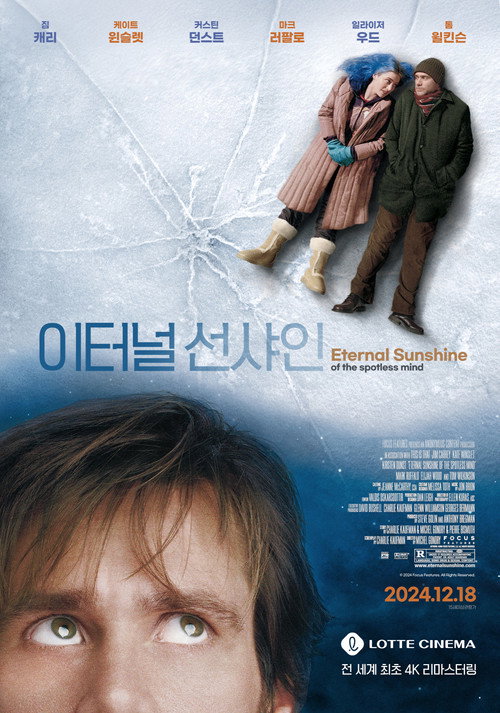
'Please let me keep this memory, just this one...' is Clementine's desperate cry — a cry that, through the sci-fi device of memory erasure, paradoxically awakens us to the truth that our most painful memories are the most important part of our existence. Beyond the simple wish to preserve a memory, this line condenses the film's core philosophy: that only by embracing even pain and wounds can we remain a whole 'self.'
Resistance Within Vanishing Memory: "Please let me keep this memory, just this one..."
This line captures the film's most dramatic and philosophical moment. The erasure process proceeds in reverse order, stripping away memories from the most recent first — beginning with minor arguments or uncomfortable recollections. But as memory regresses further back, reaching the beautiful moments the two shared — the most luminous times — this cry breaks free.
1. Context of Utterance: Before the Threat of Deletion
The moment this line is spoken, Joel's consciousness is at its most vulnerable. Memory erasure is not simply the deletion of data — it is an experience that threatens the very foundation of existence. What ignites the line is the terror that a technically driven process might 'erase and obliterate' their happiest memories together.
This goes beyond a purely emotional appeal of 'not wanting to lose a memory.' It is the anguished scream of the instant one realizes that those memories are one's identity. Like a desperate attempt to stop fragments of memory from slipping through one's fingers.
2. Position and Meaning Within the Film: A Turning Point of Accepting Pain
The film shows us the reality (F2) that loving relationships, over time, dig into each other's wounds and inflict pain, eventually leading to separation. Memory erasure happens because the pain of that breakup is so immense that one chooses the extreme measure of erasing the memory itself.
But through this line, what both the audience and the characters realize is that 'erasing' is not the answer. Paradoxically, the very process of being erased becomes a journey of rediscovering all the pain, arguments, and beautiful moments made all the brighter by the suffering. This line is, ultimately, a declaration of the will to stop fleeing from painful memories and instead learn to live by embracing even the pain.
3. Audience and Fan Response: The Point of Regret and Resonance
This scene provokes deep resonance in viewers. We have all at some point thought 'I want to forget this moment,' but simultaneously find ourselves at the place where we must acknowledge that 'even this pain is a part of what made me.' This line speaks for the bone-deep regret (F3) viewers feel — the sense that 'even though we broke up in pain, it really is as if we'll never see each other again.'
In the end, this line reminds those who have been wounded by love that the sentence 'I loved you, regardless' (F4) can make such a decisive difference, and warns against the danger of looking at past memories only as painful and bad.
4. Subsequent Influence: The Aesthetics of Acceptance, 'Okay'
This resistance and attachment to memory carries through to the film's ending. The process of refusing to erase memory ultimately resolves into 'accepting the present moment as it is.' Clementine's fight to protect this memory lays the foundation for Joel — after all memories are erased — to receive their relationship's flaws with 'Okay,' accepting each other's imperfection.
The film's ultimate message (F5) is not that we need a machine to erase memories, but that we must be able to examine what we could not bear to lose from a relationship — what we still crave even now. This line is the moment that most clearly articulates the value of that 'craving.'
Why It Matters
This line is the defining device that proves Eternal Sunshine is not a simple romance but a philosophical sci-fi about human memory and existential pain. By exploring 'the value of memory' through the paradox of memory erasure, it argues that all the pain and wounds we carry are the essential data that constitute us. If the erasure had proceeded smoothly, the film would have been mere sci-fi entertainment. But this cry forces the audience to receive not the illusion of 'perfect happiness,' but the value of 'imperfect yet true love' — and it is the decisive moment that completes the work's depth.
Back to the title
Eternal Sunshine of the Spotless Mind
14 deep dives in total