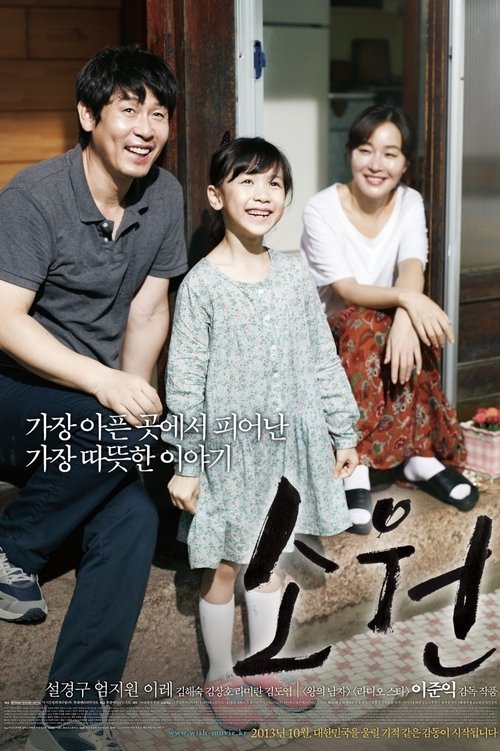
So-won (Lee Re)
So-won is the victim of the terrible trauma of child sexual violence and the central axis of the film Hope. Her journey goes beyond the simple retrial of the incident — it is the healing process itself, confronting physical and psychological wounds and, through the support of those around her and psychological therapy, gradually finding 'hope.' So-won's recovery emphasizes the importance of a victim-centric narrative and conveys a warm message of seeking return to ordinary life rather than anger and revenge.
The Child's Gaze Through Trauma: So-won's Character Arc
So-won suffers a shocking incident of child sexual assault at the young age of a second-grade elementary school student, leaving indelible wounds on her body and mind. Her character arc is divided into three stages: 'the incident' → 'extreme trauma and fear' → 'recovery within the support of those around her.' Through this process So-won suffers from androphobia and shows extreme anxiety, even refusing her father Dong-hoon's touch. Her recovery is achieved gradually through external intervention (counselor Jung-sook, family) and her own courageous statement.
1. Shock and Fear: The Beginning of Trauma
So-won's life, passing ordinary days with her mother Mi-hee who runs a stationery shop near the school gate, collapses abruptly when she is attacked by a stranger and suffers injuries. This incident left both physical and psychological wounds on So-won, and she is tormented by extreme anxiety and fear. In particular, the process that follows the incident is a major shock: even though the perpetrator was arrested based on So-won's statement, the excessive media interest and the approach of reporters instead triggers renewed great anxiety and shock in So-won. She experiences deep despair in this process.
2. The Healing Process: Support and Connection
So-won's healing is not completed by a single event. It takes place within the careful, continuous support of those around her — especially psychological counselor Jung-sook and the family.
- The family's effort: Her father understands So-won's fear and approaches her in a way that does not frighten her. In particular, the scene where he uses the Cocomong mascot costume to approach So-won creates the decisive moment in which the father receives acknowledgment that his efforts were not wasted.
- Expert intervention: Because Jung-sook has experienced the past of her own daughter suffering from sexual violence trauma and attempting suicide, she empathizes deeply with So-won's pain. She approaches So-won slowly and gently, helping So-won use simple language and open the door of her heart.
- Finding hope: Within this support So-won gradually shows signs of recovery and eventually speaks the hope of "I want to go to school." This small wish becomes the driving force that leads So-won to take the first steps toward everyday life again.
3. Testimony and Recovery: Speaking of Courage
One of the climaxes of the film is So-won's appearance as a courtroom witness. So-won plays the important role of speaking courageously in court about her terrible experience. This process has the meaning of re-illuminating the incident with a victim-centric gaze, going beyond simply punishing the perpetrator. Though the court verdict and the media's gaze sometimes come to So-won again as great pressure, So-won, receiving help from those around her, gradually gains the strength to speak about her experience.
So-won's story is a healing narrative focused on how the victim and family recover and find the 'hope' called ordinary everyday life — rather than the emotional explosions of anger or revenge that works dealing with child sexual violence might otherwise center on.
Why It Matters
So-won is the core axis that runs through the film Hope's thematic consciousness and identity. This work does not depict a victim as merely 'a victim.' So-won's recovery process poses the question of 'how does a person who has experienced trauma recover the agency of their own life?' and argues to audiences the importance of healing and support. In particular, her father's approach through the Cocomong costume and So-won's establishment of a victim-centric gaze through her courtroom testimony are the decisive reasons this film is valued as 'a warm story of recovery' rather than a simple crime thriller. So-won's story is a mirror that asks what our society needs for those who experience trauma.
Other Character dives4
- arrow_outward
Mi-hee (Um Ji-won)
Mi-hee is a character who is strong-willed and prickly but, going through So-won's trauma, gradually experiences her own healing. Her character arc runs from anger and suspicion, through trusting those around her, and ultimately to bringing the family's recovery to fruition by giving birth to a second child, So-mang. This delicately captures not merely motherly love but how a human being who has endured a painful incident finds the hope called everyday life again.
- arrow_outward
Dong-hoon (Sol Kyung-gu)
Dong-hoon symbolizes the father who is both closest to and farthest from So-won in the wake of her accident-induced deep trauma. Rather than anger or direct consolation, he approaches indirectly — through the Cocomong mascot costume, bypassing So-won's psychological defenses — and redefines his role as a father, healing his daughter's heart.
- arrow_outward
Jung-sook (Kim Hae-sook)
Jung-sook goes beyond the simple role of counselor to be the core figure who guides So-won through the healing process as a survivor who has experienced her own deep wound — the loss of her daughter. The combination of her personal experience of loss and pain with professional knowledge acts as the key support that breaks down the deepest wall in So-won's inner life and leads her gradually back to the everyday life called hope.
Back to the title
Hope
14 deep dives in total