Courtroom Testimony and Social Message
The courtroom testimony scene in the film Hope is the most symbolic and emotionally explosive moment running through the entire film. This scene gives enormous courage and meaning to the act of 'testimony' itself — a victim speaking aloud her most painful experience in the public domain — going far beyond the performance of legal procedure. It warmly and sensitively conveys the film's core message that it is more important how the victim and her family heal and recover toward everyday life, rather than anger or desire for revenge.
Courtroom Testimony: Testimony of Healing Beyond Legal Procedure
The scene in which So-won appears as a courtroom witness is the most symbolic and emotionally explosive moment in the entire film Hope. This scene gives enormous courage and meaning to the act of 'testimony' itself — going far beyond merely performing the legal procedure of identifying the perpetrator — in which the victim takes her most painful experience from the private realm and speaks it in public.
1. The Seed Moment: The Weight of Silence and Trauma
The incident of child sexual violence So-won experienced left deep trauma on her body and mind. This trauma plunged her into extreme anxiety and fear, with results including her refusal even of her father's touch. For So-won, her experience was so private and so painful that bringing it out was virtually impossible. Standing in the public space of a courtroom was itself a huge psychological barrier for her.
2. The Payoff: Courageous Utterance in Public Space
The courtroom is the place where this silence is broken. The moment So-won stands in the witness box and begins to speak about her experience shows the process of her transformation from trauma victim to 'a subject who brings her own story out into the world.' In this process, the emotional explosions of family members — especially mother Mi-hee and friend Gwang-sik — shatter the solemn atmosphere of the court, paradoxically showing that human 'solace' must come before legal justice.
In particular, Mi-hee's cry of rage upon hearing the verdict is condensed into the shout "Do you have any idea how old my child will be in twelve years!!" This cry is a powerful device showing how powerless the 'time' and 'severity' prescribed by law can be in the face of the subjective, vivid reality of a child's life and a family's pain.
3. The Dual Meaning of Courtroom Testimony: Balancing Justice and Recovery
Through the courtroom scene, the film handles the two axes of 'justice' and 'healing' simultaneously. The courtroom is naturally a space that pursues 'justice,' but the film argues that that justice must not stop at punishment and anger. What So-won gains through testimony is more than merely legal punishment of the perpetrator. It is acknowledgment of her own pain and, through that experience, the evidence of 'recovery' — the strength to go on living.
This perspective poses a question to the audience: what is the justice we should pursue? Retribution through punishment, or support that helps the victim stand again?
4. Why Courtroom Testimony Is Core to the Work's Identity
This scene declares that Hope is not a simple crime thriller. If the film had focused only on anger and the desire for revenge, the courtroom would have been depicted as the most violent and fierce space. But the film redirects the explosive emotional energy in the direction of 'healing.' The image of So-won's family, after her testimony, supporting each other and trying to return to everyday life, is the film's ultimate message: what a person who has experienced trauma most needs is not a legal judgment document but the warm support of those around them.
Why It Matters
The courtroom scene is the device that most clearly condenses the thematic consciousness of the film Hope. This film handles the sensitive and violent subject of child sexual violence without plunging the audience into the emotional quagmire of anger and revenge. Instead, it focuses on the process of So-won's publicly recognized pain and her journey of recovery — returning to everyday life with the support of those around her. The raw emotional cries of the family members in the solemn space of the courtroom, alongside So-won's image of seeking hope despite everything, prove that this work is not merely a crime drama but a work that delicately explores the human psychological healing process. It is thanks to this scene that the film earned high recognition and left the warm message of 'solace rather than anger.'
Other 명장면 dives3
- arrow_outward
The Healing Process and Support System
The healing process in the film Hope is not merely a matter of time passing or emotions exploding, but is a psychological rebuilding process that takes place gradually through a surrounding support system. This essay deeply analyzes how So-won's overcoming of her trauma — through the systematic help of counselor Jung-sook and the continuous support of family and friends — recovers toward the everyday life called 'hope.'
- arrow_outward
Production Background and Artistic Intent
Hope is a work of high artistic and ethical value in that, despite taking a highly sensitive real-life incident — the Cho Doo-soon case — as its motif, it obtained the consent of the actual victim's family and underwent ethical monitoring by psychological experts during filming. Going beyond simply depicting the crime, it has presented a high ethical standard in Korean cinema for handling sensitive subject matter by delicately capturing the healing process of those who have experienced trauma.
- arrow_outward
The Incident and Its Trauma
The core theme of the film Hope, 'the incident and its trauma,' goes beyond the simple crime thriller to delicately handle the complex psychological pain experienced by the victim and the healing process. The child sexual assault So-won experienced left indelible wounds on her body and mind, and this trauma even causes her to refuse her father's touch. The film focuses on how hope, called everyday life, is found again through the support of those around her and psychological therapy rather than anger or revenge.
Back to the title
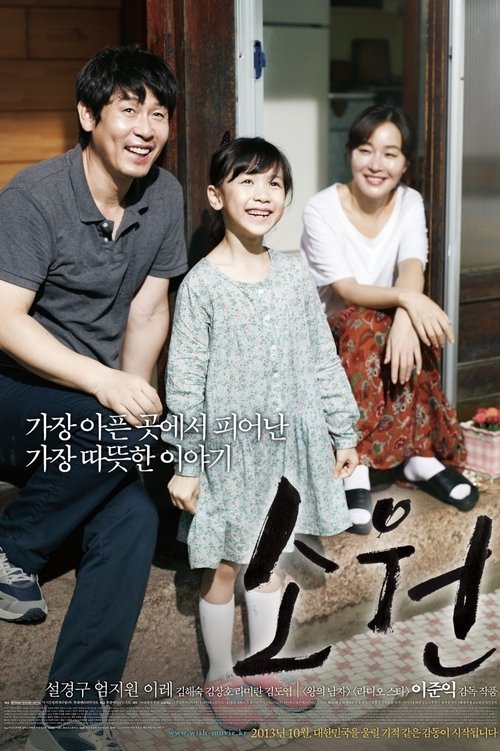
Hope
14 deep dives in total