Jazz isn't easy listening. I know, that's probably the problem. Jazz isn't something you just sit back and hear. You have to see how fierce the battle is.
This defining quote captures the moment Sebastian Wilder defines the essence of jazz to Mia Dolan. It argues that jazz is not simply background music you sit back and hear, but a living art born from improvisation and fierce combat between musicians. It compresses the fundamental conflict running through the entire film — 'the purity of art' versus 'commercial success' — and becomes the decisive catalyst that throws Mia's dream and Sebastian's conviction into collision.
The Declaration on Jazz's Essence: The Aesthetics of 'Fierce Combat'
The line Sebastian Wilder delivers to Mia Dolan at the Lighthouse Café — explaining the essence of jazz — is not simply advice. It is a manifesto that erects the film's philosophical pillars. This scene functions as the most important turning point in the story of how these two people come to understand each other's dreams and ways of life.
🎹 The Context: Art Dismissed as Background Music
Immediately before this line, Mia dismisses the jazz Sebastian is playing as 'comfortable background music — like Kenny G in an elevator, the kind that gets in the way of conversation.' Mia's perspective is shaped by her reality as an aspiring actress: it focuses on 'what can be comfortably consumed by the public.' To her, art must 'function.'
Shocked by Mia's view, Sebastian begins to passionately persuade her, trying to explain the value of jazz he has guarded his whole life. In doing so, he emphasizes the dynamism and vitality that jazz possesses.
🎤 Position in the Film: From 'Hearing' to 'Seeing'
Sebastian's speech develops the following central logic:
- Jazz is not easy listening: "Jazz isn't easy listening. I know, that's probably the problem." This sentence begins by acknowledging the inherent difficulty of jazz — its 'not-easiness.' This is the premise that jazz is fundamentally different from pop music, which offers instant and popular gratification.
- Jazz is not just something you hear: "Jazz isn't something you just sit back and hear. You have to see how fierce the battle is." Here, the word 'battle' is the key. Sebastian defines jazz not as a passive act of listening with your ears, but as a 'real-time interaction' in which musicians interrupt each other's melodies, pass them back and forth, sometimes collide and then reach a new compromise. This is the visualization of jazz's improvisation and immediate energy.
- The anguish of vitality: Sebastian even laments that jazz is 'dying.' This shows that he is not merely a musician but a guardian fighting to preserve an entire genre's survival.
🌟 Audience Reaction: The Weight of Artistic Conviction
This line draws deep empathy from audiences by posing the question: 'What is true art?' Through Sebastian's passionate speech, viewers connect emotionally with the dilemma of modern artists who must surrender artistic purity in pursuit of success. The line presents Mia with a counterweight — 'the practical goal of success as an actress' on one side, and 'the abstract value of artistic purity' on the other.
🚀 Subsequent Impact: The Awakening of a Self-Writing Actress
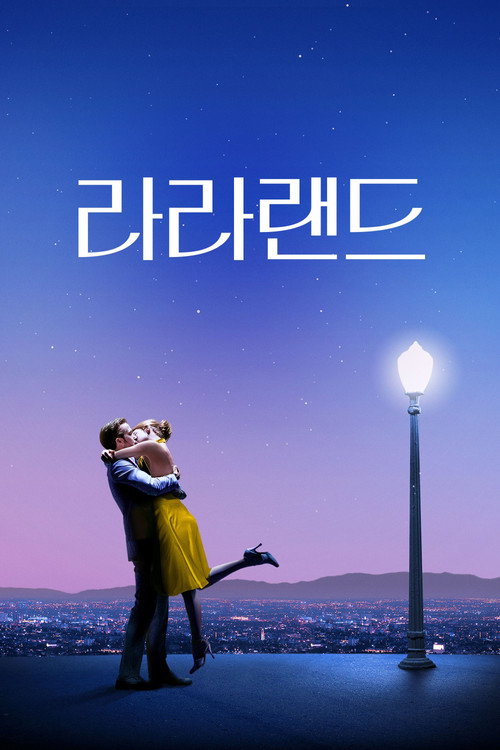
Sebastian's passionate persuasion delivers a deep shock to Mia — but at the same time, it awakens her potential. Sebastian advises Mia that she is 'the kind of actress who can write her own scripts,' and through this advice Mia rediscovers her artistic self. Following this line, the two watch a film together at the Rialto Theater, deepen their emotional bond, and ultimately arrive at a romantic ending dancing beneath the stars — all unfolding on the foundation of the energy of 'fierce combat' that Sebastian introduced.
Why It Matters
This line is the film's thematic consciousness itself. It is Sebastian's answer to the question 'what is the price of chasing a dream?' — and the symbol of the greatest internal conflict Mia faces. For Sebastian, jazz is 'purity' itself, and that is the way of life he is trying to protect. For Mia, the practical goal of 'success' comes first. This line serves as the film's most important philosophical anchor — foretelling the tragic destiny in which these two people, while respecting each other's dreams, must ultimately choose their own separate paths.
Back to the title
La La Land
14 deep dives in total