The Inevitable Choice Between Dreams and Reality
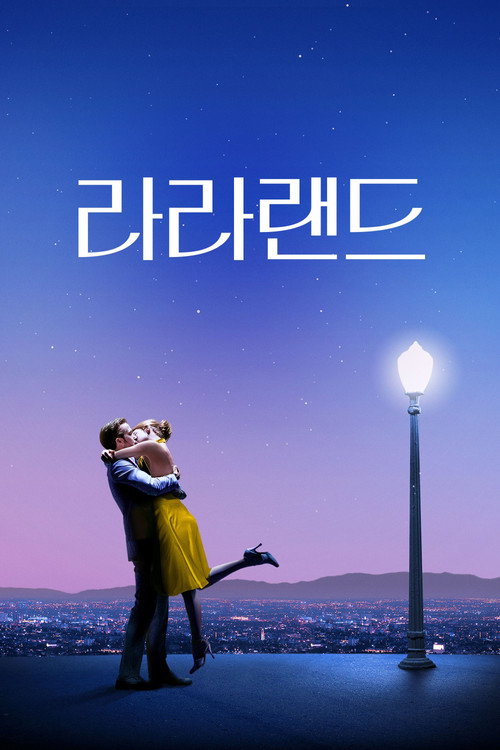
La La Land is a work that maximizes the aesthetics of loss born from chasing a dream. Jazz pianist Sebastian and aspiring actress Mia are each other's source of inspiration, but their dreams are too pure and vast to accommodate a realistic love or stable relationship. Rather than offering a clear resolution, the film leaves viewers with the question: 'What would have happened if we had chosen this path?' — a profound inquiry into the price one must pay to keep a dream alive.
The Two Pillars of a Dream: Pure Art vs. Commercial Success
La La Land's core theme is the inevitable collision between 'chasing a dream' and 'holding onto love.' This collision is made explicit through the professional identities of its two leads. Sebastian Wilder symbolizes the artist's stubborn devotion to keeping traditional jazz alive — he pursues only the purest old-school jazz, with no exceptions. He despises any fusion of jazz with pop or electronica, defining jazz as an intense act of communication that originated in the spirit of 'conversation.' Mia Dolan, by contrast, pursues 'mainstream appeal' and 'practical success' through her career as an actress. Her daily life oscillates between the grounded labor of a barista and the unstable ambition of auditioning.
These two pillars are each other's perfect source of inspiration and perfect partner — yet their dreams are too grand and too pure to allow for the stability of an ordinary relationship (Mia's relationship with Greg) or an easy love. This creates a structural dilemma.
1. The Clash of Dreams: Jazz and Acting in Dialogue
The scene in which Sebastian lectures Mia about jazz illustrates this dilemma most plainly. He explains that jazz is not 'easy listening' — it's a 'fierce battle,' a first performance every single night. This is nothing less than his belief in artistic purity made audible. Mia, for her part, dismisses jazz as 'comfortable background music, like Kenny G in an elevator, the kind that gets in the way of conversation.' This exchange transcends a simple argument about musical genres; it expands into the philosophical question: 'What should define art?'
Sebastian feels a sense of mission to stop jazz from dying, while Mia carries the practical anxiety of someone trying to keep her dream alive while paying the bills. This gap charges the tension between them.
2. The Aesthetic of the 'What-If' Ending
The film maximizes its thematic weight by refusing to hand the audience a clear answer to this dilemma. After each has realized their dream, Mia and Sebastian run into each other again by chance. Mia has become a successful actress; Sebastian has opened his own jazz club and lived out his vision. They look at each other and dance — but their reunion ends with the question: 'What would have happened if we had chosen this path?'
This ending leaves the audience with the most beautiful yet most heartbreaking 'what-if' possibility. Because they gave up a realistic future together, their love remains forever 'the perfect moment preserved in memory.' This is an interpretation that maximizes the aesthetics of loss that inevitably arise when pursuing a dream.
3. The Weight of Sacrifice
Ultimately, the film shows that chasing a dream is a matter of 'choice.' They loved each other — but that love demanded they end Mia's relationship with Greg (who stood for comfort) and accept the inevitable separation that comes from each choosing their own artistic destiny. This process is less a failure of love than the 'growing pain' of each completing their artistic self.
Why It Matters
This theme is the core reason La La Land is celebrated as an art film rather than a simple romantic comedy. Instead of the universal desire for 'a successful love story,' the film presents a grander and more abstract goal: 'the perfect dream.' Mia and Sebastian's relationship invites viewers to project onto it the dreams they once had to give up, or the aspirations they simply could not abandon. The emotional resonance of the ending — not the image of a successful couple, but the feeling that 'the moment was perfect precisely because we couldn't be together' — completes the film's artistic depth.
Other Reading dives1
Back to the title
La La Land
14 deep dives in total