Marion Crane (Marion Crane)
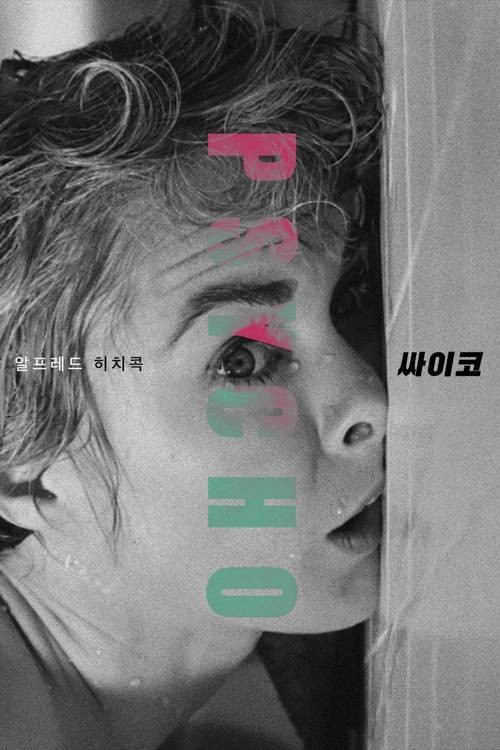
Marion Crane is the very catalyst of the film's suspense — the 'inciting incident' incarnate. Her unstable psychology, driven to steal $40,000 and flee, leads her to experience extreme terror in the very places that should feel safest: the motel room and the shower. Her sudden death is not merely a tragedy; it is the flashpoint of a grand pursuit to unravel Norman Bates's hidden duality and the family's secret.
The Catalyst of Anxiety: Marion Crane's Psychological Trajectory
Marion Crane is not simply a victim who got caught up in events. She is the psychological catalyst for all the horror and anxiety the film addresses. Her behavior begins with the primal desire to 'flee,' and this desire leads her into the closed and unstable space of a rundown motel.
1. The Beginning of Flight and Anxiety
The film begins with Marion desperately wanting to marry Sam Loomis but frustrated by economic pressures. Her act of stealing $40,000 carries a meaning beyond simple theft — it is a manifestation of a flight psychology out of control, a desire to resolve in a single stroke the economic and psychological deprivation she feels in her present life. This money promises her a momentary freedom, but at the same time becomes the shackle that throws her into a vast mystery.
2. The Collapse of the Safest Space: The Experience in the Motel
The motel where Marion comes to stay appears peaceful on the surface, but the presence of Norman Bates and the strange atmosphere ceaselessly stimulate her sense of unease. Norman's friendliness is in fact threatening, and the voice of Norma Bates heard from behind the motel breaks down her psychological boundaries. The moment she steps into the shower, this 'space that should feel safest' transforms into a stage for horror. The sudden attack by a dark silhouette symbolizes that it was not an external threat but an internal, or psychological, threat that overwhelmed her.
3. The Aftermath of Events and the Continuing Horror
Marion's death is both the film's climax and the pillar sustaining all the suspense that follows. Her death does not simply end as an event but goes on to affect people's lives over a long period of time.
- The Continuity of Events: Works that unfold from a point twenty-two years after Marion Crane's death (Psycho II) show that her death was not a simple incident but a traumatic event that defined one person's entire life. (F1)
- The Trigger for Pursuit: The appearance of Marion's sister Lila Loomis in the courtroom to argue for Norman's continued detention proves how massive a social and psychological shockwave Marion's absence sent out. (F3)
- The Seed of Mystery: Her case becomes the backdrop for the story of the tragedy of Norman's life. (F4)
Ultimately, through the transgression that begins with stealing $40,000 and going on the run, Marion Crane imprints on the audience the universal theme of horror: how easily the human psyche can collapse, and how even the most private spaces are not safe.
Why It Matters
Marion Crane does not simply occupy the role of 'inciting incident' — she symbolizes the film's central theme: the absence of safety. Her psychological instability pinpoints exactly where the audience comes to feel horror, and above all maximizes the irony of the most private and safe space becoming the scene of violence. Her existence is the decisive catalyst that brings Norman Bates's dual psychology to light, and her death is an essential element completing the textbook framework of the thriller genre — going beyond the climax of a simple horror film to explore the darkest corners of the human psyche.
Other Character dives3
- arrow_outward
Sam Loomis (Sam Loomis)
Sam Loomis is Marion Crane's lover and the key pursuer tasked with uncovering the truth. He is simultaneously the person who triggered Marion's flight at the story's outset and the one who, as an external gaze, probes the eerie atmosphere of the motel and the secrets Norman Bates is hiding. Loomis represents the audience's own perspective, and through his logical, dogged investigation, serves as the device through which the film demonstrates how horror is maximized in what should be the safest of spaces.
- arrow_outward
Lila Crane (Lila Crane)
Lila Crane throws herself into the case to find her missing sister Marion and recover the stolen $40,000. In the process of uncovering the truth she comes closer than anyone to the shocking secret Norman Bates has been hiding, serving as the central pursuer who unravels the threads of horror alongside the audience.
- arrow_outward
Norman Bates (Norman Bates)
Norman Bates hides behind the disguise of a gentle, kind motel owner, but in reality he is a man of split personality dominated by his mother's psyche. His existence, going beyond simple horror, is the zenith of the psychological thriller — showing how the human mind can collapse and warp even in the place that should feel safest.
Back to the title
Psycho
10 deep dives in total