The Symbolism of Black-and-White Cinematography
The black-and-white cinematography of Schindler's List transcends a mere aesthetic choice to serve as the core device symbolizing the weight of historical tragedy and the complex moral gray zone of human conscience. It focuses the viewer's gaze on the essence of the horrors without dramatic embellishment, substituting 'losing color' for 'losing life' to express the silenced laments of the vanished Jewish people.
Black and White: The Directorial Device That Carries the Weight of Tragedy
Schindler's List is shot overall in black and white — a powerful directorial device deliberately chosen by director Steven Spielberg. This black-and-white treatment focuses the viewer's gaze on the weight of historical tragedy, conveying the horrors of the era without dramatic embellishment.
1. The Loss of Color and the Loss of Life
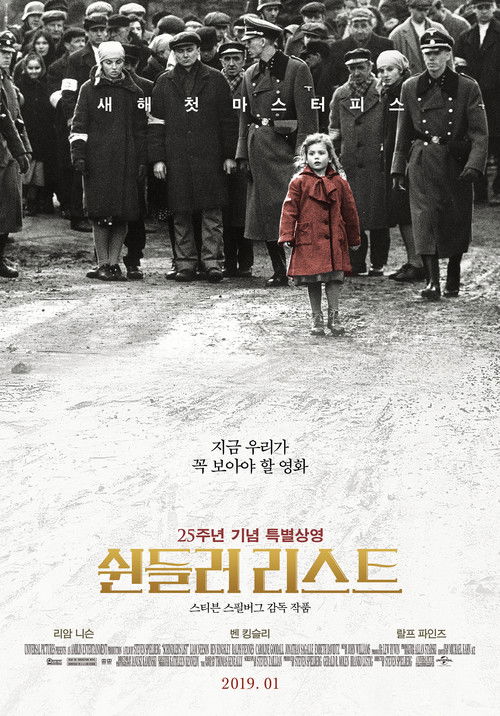
Through the black-and-white cinematography, the director conveys the message that "losing color is losing life." This goes beyond a mere visual effect — it symbolizes the ontological loss the Jews experienced: the loss of vitality and hope. The black-and-white world acts as the medium expressing the process of extermination the Jews underwent, and their silenced laments.
This color symbolism also contrasts with the meaning of other colors in the film. Red, for example, can carry the dual symbolism of "death and innocence" — and when a specific color appears against the black-and-white background, its meaning is maximized. This is interpreted as an attempt by the film not merely to recreate tragedy but to assign moral meaning through color.
2. Black and White as Calm Record
The black-and-white treatment lends the film a documentary feel. This is the way Spielberg, in addressing the vast historical event of the Holocaust, guides audiences to immerse themselves in the weight of "historical fact" itself rather than "dramatic embellishment." It gives the feeling of looking at an old photo album pulled from an archive — audiences face historical truth rather than emotional shock.
The scene of lighting a candle at the film's opening maximizes this symbolism. Only the candle remaining as the Jews disappear symbolically shows only the faint and desperate traces left behind by the vanished lives — the Jews' existence.
3. Technical Realization and Visual Effect
The film's black-and-white cinematography is not simply a property of the film stock but an intentional mise-en-scène. From the perspective of modern film technology, the technique of leaving only specific colors and processing the rest in black and white (color pass) can produce an effect similar to the black-and-white cinematography of Schindler's List — the technical basis for reproducing the visual effect the director intended. In this way, black and white is not a simple filter but the vessel carrying the film's thematic consciousness.
Why It Matters
The symbolism of the black-and-white cinematography is the most important device declaring that Schindler's List is a 'moral inquiry' rather than a simple survival story. If this film had been shot in color, audiences might have been overwhelmed by visual spectacle and taken lightly the weight of the horrific historical truth. Black and white imposes on audiences the heavy responsibility: 'This is not artistic entertainment but historical record that must be remembered.' Thanks to this directorial choice, Oskar Schindler's deeds do not remain in the sentimental realm of 'good deeds' but ceaselessly pose questions in the complex, realistic moral gray zone of 'the collision between capitalist logic and conscience.'
Other 설정 dives5
- arrow_outward
Real Figures and Historical Context
Schindler's List transcends a simple survival story to explore the moral gray zone where capitalist logic and human conscience collide. Noting that protagonist Oskar Schindler's process of helping Jews is achieved not through pure good deeds but through 'business acumen' and 'bribery,' it explores this complex human psychology in addressing the vast tragedy of the Holocaust.
- arrow_outward
Survivors' Memorial and Legacy
The final scene in which survivors place memorial stones on Oskar Schindler's grave symbolizes the process by which he is remembered not merely as a businessman but as an 'agent' and 'angel of Mercy.' This scene shows that Schindler's rescue was achieved not through pure good deeds but upon a complex moral gray zone and the logic of survival — completing the film's deep thematic consciousness.
- arrow_outward
The Awakening of Conscience: A Turning Point
Oskar Schindler's moral awakening is not a simple emotional change but a complex process of moral transformation occurring as capitalist logic and the survival instinct collide. The film deeply explores how he began as a businessman focused entirely on profit, but after directly witnessing the horrific massacres in the Kraków Ghetto and the systematic evil of the Nazis, deploys all his assets and acumen to 'businesslike' rescue the Jews.
Back to the title
Schindler's List
12 deep dives in total