The Assembly of the Seven
The process of the seven samurai assembling in Seven Samurai goes beyond a simple character introduction—it is a device that encapsulates the vast themes of the warrior class's decline and survival. The desperate needs of the villagers and the personal desires of the samurai collide, and it is the narrative core showing how those who 'gathered out of necessity' function as a single team.
The 'Assembly of the Seven' Forged by the Desperation of Survival
In Seven Samurai, the process of seven samurai coming together is the most important narrative device of this film. They were not assembled by heroic will, but were 'gathered by necessity' under the enormous pressure of the villagers' desperate survival instinct and the chaos of the era.
1. The Necessity of Assembly: The Beginning of Crisis and Despair
The film is set in a rural village where the chaos of the Warring States era has yet to subside. The villagers face a situation where mere survival is threatened by repeated plundering. At first the villagers express helplessness amid conflicts between various opinions from Rikichi and Manzo. They explore various methods—appealing to the lord for help, or directly arming themselves to fight—but hit the wall of reality.
Amid this desperate situation, the conclusion is reached under the elder's counsel and Kanbei's leadership: 'samurai must be hired.' The villagers judge that it is feasible to recruit samurai on the condition of providing rice meals, and reach the conclusion that a minimum of seven experts are needed. (F2, F3)
2. The Difficulties of Assembly: The Era of Difficulty Finding 'Experts'
The journey to find samurai was not smooth. The farmers, in a nationally unsettled period with many dead lords, faced a shortage of available ronin. At first not a single volunteer appears, and the villagers again clash sharply over whether to negotiate with the bandits or mount an all-out resistance. (F7, F8)
At this point, Kanbei disguised as a monk appears and demonstrates his heroic side by suppressing a hostage-taker. This event prompts the villagers to appeal to him for help; Kanbei initially refuses but is moved by the farmers' sincerity and resolves to help. (F9)
Kanbei consults the village terrain to determine seven as the required number, then begins searching for samurai in his own way. He meets capable samurai from the start but encounters the wall of reality and faces difficulties in the assembly. (F10)
3. The Assembly of the Seven: The Combination of Character and Necessity
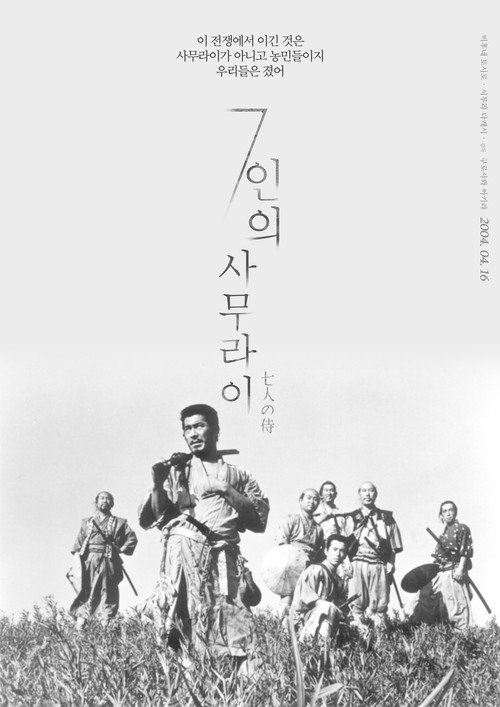
Under Kanbei's leadership, seven samurai are assembled, each from different backgrounds and with distinct personalities. This process was not simply gathering individuals—it was the process of discovering the 'necessary role' each figure possessed. (F5, F6)
- Kanbei and Shichiroji: The core axis assembled by past bonds and a sense of responsibility. (F12)
- Katayama Gorobei: Recognized for skill and character by passing Kanbei's test. (F10)
- Hayashida Heihachi: Leads the atmosphere with down-to-earth, comical humanity—responsible for 'necessary vitality' rather than pure martial expertise. (F10)
- Kyuzo: Possessing supreme swordsmanship, yet showing the cool-headedness to protect his domain by initially refusing. (F10)
- Okamoto Katsushiro: The youngest, yet to come of age, joining with a pure passion that thirsts for learning. (F11)
- Kikuchiyo: With an unclear past and rough nature, initially appearing as a comic character, but his presence and unpredictability breathe unique vitality into the team. (F6)
In this way, the assembly of the seven is less the birth of a 'perfect hero group' than the birth of an 'optimized combination in a desperate situation.' They prepare to face the bandits together with the villagers, and moving beyond simple survival, confront fundamental questions about their own honor and way of life. (F6, F11)
Why It Matters
The assembly of the seven is the part most deeply connected to this film's thematic consciousness. These samurai came to the village with the title of 'expert,' but their reason for fighting is distant from the traditional purpose of the warrior class—material reward or honor recovery. They are moved by the 'external force' of the villagers' desperate plea for survival. This symbolizes that the reason for the warrior class's existence no longer lies in feudal order or personal glory, but is shifting to the new value of communal survival. That is, the assembly of these men metaphorizes the decline of the warrior class and the arrival of a new era centered on farmers and merchants.
Other 설정 dives4
- arrow_outward
The Twilight of the Samurai Age
The core theme running through the ending of Seven Samurai is the decline of the samurai class and the dawn of a new era. The appearance of gunshots and firearms symbolizes the end of the warrior class that held honor and swordsmanship as its lifeblood—a grand narrative declaration that the feudal age has ended and a new social order centered on farmers and merchants has been established.
- arrow_outward
The Adversarial Relationship Between Village and Samurai
In Seven Samurai, the relationship between the village and the samurai is not a simple alliance but a precarious cooperation built on deep distrust and antagonism. The villagers hire samurai out of desperation to survive, but their historical experience and class prejudice cause them to fear and be wary of samurai. This film poses vast questions about the decline of the warrior class and the coming of a new era through this temporary solidarity for survival.
- arrow_outward
The Duality of the Samurai
Seven Samurai explores in depth the complex, contradictory relationship between the samurai class and the farmers beyond a simple heroic tale. The samurai are depicted not as unconditional saviors but sometimes as wild and selfish beings, while the farmers are described not as passive victims but as three-dimensional figures who move cunningly for survival. This duality lends the work deep realism and is the core device that penetrates the vast themes of the warrior class's decline and the arrival of a new era.
Back to the title
Seven Samurai
13 deep dives in total