The Conflict Between Survival and Honor
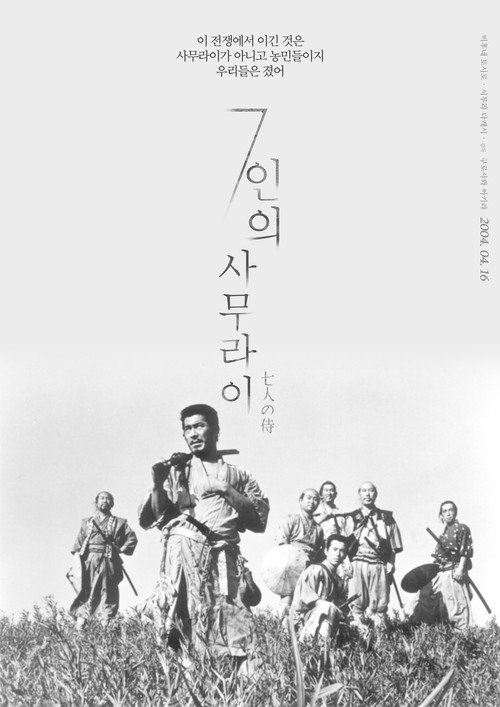
Seven Samurai transcends a simple action film about driving out bandits. It meticulously explores the collision between the primal need for 'survival' and the classical value of 'honor as a warrior.' The villagers hire experts out of desperation, yet witnessing the samurai's wild and sometimes brutal nature, they harbor a fundamental distrust. This film poses vast questions about the decline of the samurai class and the arrival of a new era, asking what the true spirit of the samurai really means.
The Question Seven Samurai Poses: Survival's Necessity vs. the Code of Honor
The deepest theme of Seven Samurai is a question about how 'survival' and 'honor' collide as two values, and what choices humans and warriors make amid that collision. The villagers lose rational judgment before the desperate goal of immediate survival, while the samurai pursue honorable combat but face the reality that their purpose is limited to survival—and this is where fundamental conflict erupts.
1. The Villagers' Perspective: The Dilemma of Hiring 'Experts' for Survival
To the villagers, the samurai are closer to 'tools' for survival. They face the clear threat of bandit raids and feel their own helplessness (F6) acutely. Yet their gaze does not end in simple dependence.
- Distrust and Wariness: The villagers need the samurai while simultaneously fearing them, displaying a duplicitous attitude (F2). The fact that they have a history of killing samurai in the past (F3) deepens this distrust further. To them, the samurai are both saviors and dangerous presences at once.
- Survival-First Mentality: The villagers' conversations focus on 'how to survive.' Rikichi's argument to 'make spears and fight the bandits' and Manzo's resigned declaration that 'this is the life of a commoner—let's just beg them to leave us at least some millet' show that their paramount value is not honorable resistance but bare minimum survival.
2. The Samurai's Perspective: The Fracture Between Honor and Reality
The samurai are portrayed as beings who originally uphold 'honor.' They pursue the warrior code and an honorable way of life. Yet the seven samurai assembled to protect the village face the reality that their purpose is not 'honorable glory' but 'the village's survival.'
- Coerced Cooperation: The process of assembling the seven samurai (F5) is less the result of each individual's honorable choice than a 'team play' coerced by the village's desperate situation. Through this process, they lose the 'code' they should uphold and become wild beings who must cooperate to survive.
- Individual Honor vs. Collective Survival: The samurai teach the villagers combat techniques, strengthening their bonds (F11), and this is their professional warrior behavior. Yet all these acts are ultimately subordinated to the purpose of 'collective' survival—the village's. This sense of disconnection is the core conflict the film explores.
3. Historical Interpretation: The Decline of the Samurai Class and a New Order
The film's ending amplifies this conflict. The samurai succeed in saving the village, but at the cost of losing comrades through sacrifice, tasting bitter disillusionment. This ending is not a simple victory. It implies that the warrior class of the Warring States period can no longer sustain the world by honor and force alone.
- The Arrival of a New Era: The stark contrast between the farmers tilling the fields in the aftermath and the surviving samurai watching on declares that the value of 'combat' pursued by warriors has ended, and a new era of 'farming' and 'production' has dawned.
- Concluding Message: What is true warrior spirit? Must it remain confined to personal honor, or must it transform flexibly before the greater value of collective survival? By posing this question, the film reaches the realm of 'total art' that transcends simple action.
Why It Matters
The reason this film is evaluated as a masterpiece beyond a simple action film is that it separately examines humanity's two most fundamental values—'survival' and 'honor.' The samurai strive to protect their honor, while the villagers desire only survival. This absolute alienation is Akira Kurosawa's unique directorial achievement, distinct from Western dramatic archetypes, and the film's greatest aesthetic accomplishment. The audience continuously asks who the true hero is and what is more valuable—and this proves the film addresses universal themes that transcend their era.
Other Reading dives1
Back to the title
Seven Samurai
13 deep dives in total