The Archetype of the Team-Play Genre
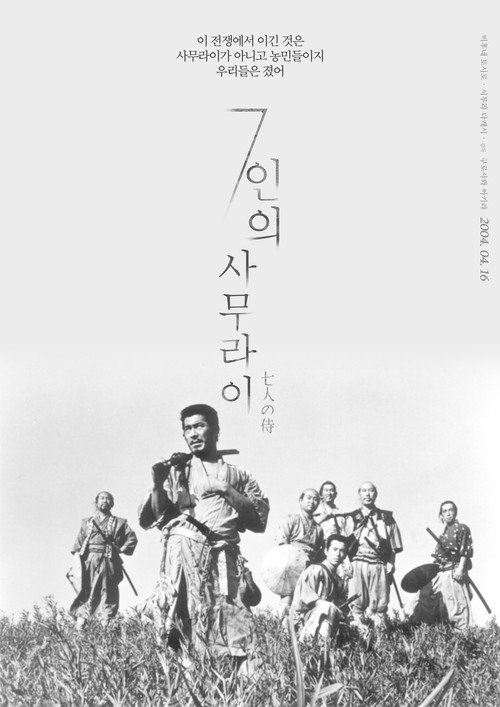
Seven Samurai is the work that first presented to popular culture the 'team play' narrative structure—multiple experts with distinct personalities temporarily uniting to face an external threat. Moving beyond a simple action film, it established the cliche of heroes assembling to achieve a single objective, becoming the archetype of countless subsequent hero franchises, martial arts stories, and the Japanese animation genre.
The Archetype of Team Play Against an External Threat
One of the most important positions Seven Samurai occupies in film history is that the narrative structure itself proposed a single grand genre archetype. This film established through the framework of an external threat (bandits) against which a community (the village) hires multiple experts (samurai) for survival, the basic template of countless subsequent hero franchises and action genres.
1. Defining the Setup: The Necessity of the 'Expert Group'
The core setup of team play this film proposed is the 'temporary alliance of necessity.' The villagers find themselves in the desperate situation of being unable to stop the bandits on their own strength. For the absolute goal of survival, they hire a 'group of experts'—seven samurai of different backgrounds and abilities. This setup poses the following structural questions:
- The Subject of Survival: Who is the true subject of survival? (The samurai who possess weapons, or the villagers who struggle to survive?)
- The Question of Code: By what code and ethics should these experts act? (Personal honor vs. communal survival)
This structure maximizes the tension between humanity's instinctive desire for survival and 'professional ethics' beyond a simple battle.
2. How It Operates in the Work: The Aesthetics of Character and Role Division
The seven samurai each possess different personalities and abilities, and coming together they form a single tactical unit. Their combination does not simply gather 'strong characters'—it operates in a way that mutually compensates for each other's deficiencies and strengths.
- Shimada Kanbei (Strategist): He reads the overall flow, analyzes situations, and exercises the leadership that binds team members into one. He performs the role of the team's 'command center.'
- Katayama Gorobei (Skill and Character): He presents the team's moral standard alongside outstanding skill. He is the team's 'ethical axis.'
- Kyuzo (Absolute Skill): His taciturn, cold-blooded supreme swordsmanship handles the team's 'frontline firepower.' His presence heightens the team's sense of crisis.
- Kikuchiyo (Chaos and Vitality): The most unpredictable presence. His roughness and humor breathe tension into the team while infusing human vitality—performing the 'variable' role that offers the audience the greatest entertainment.
In this way, the seven characters each perform different 'functions,' and the combination of these functions as they face the external threat of the bandits was this film's greatest spectacle and the driving force of its genre success.
3. Extra-Filmic Influence: The Establishment of Genre Cliches
Seven Samurai did not remain simply within Japanese film history. The 'team play' structure this film established went on to have an enormous influence on popular culture worldwide.
- Hero Franchises and Martial Arts Stories: Subsequent genres came to follow the basic formula of 'strong-personality experts gathering to face a great evil.' This is evaluated as the most successful case of visually and narratively realizing the concept of 'teamwork.'
- The Animation Industry: In the Japanese animation industry, the setup of 'heroes who form a team' became one of the most basic narrative templates, and this film's structural influence is assessed as very significant. This film is one of the first cases to show that 'the synergy of the collective' is important beyond 'individual capability.'
In conclusion, this film goes beyond simply showing 'who is strong'—by posing the question 'how should we fight together?'—it established itself as a landmark work that elevated the grammar of genre film by a degree.
Why It Matters
This team play setup connects to the deepest theme of *Seven Samurai*—the 'decline of the warrior class'—beyond simple entertainment. The seven samurai come to the village with the title of 'expert,' but their purpose for fighting is distant from the traditional purpose of the warrior class such as material reward or the recovery of honor. They are moved by the 'external force' of the villagers' desperate survival plea. This is the core reason the team play setup is not a simple action device but a great metaphor embodying the tide of change and the arrival of a new era.
Other 설정 dives4
- arrow_outward
The Twilight of the Samurai Age
The core theme running through the ending of Seven Samurai is the decline of the samurai class and the dawn of a new era. The appearance of gunshots and firearms symbolizes the end of the warrior class that held honor and swordsmanship as its lifeblood—a grand narrative declaration that the feudal age has ended and a new social order centered on farmers and merchants has been established.
- arrow_outward
The Adversarial Relationship Between Village and Samurai
In Seven Samurai, the relationship between the village and the samurai is not a simple alliance but a precarious cooperation built on deep distrust and antagonism. The villagers hire samurai out of desperation to survive, but their historical experience and class prejudice cause them to fear and be wary of samurai. This film poses vast questions about the decline of the warrior class and the coming of a new era through this temporary solidarity for survival.
- arrow_outward
The Duality of the Samurai
Seven Samurai explores in depth the complex, contradictory relationship between the samurai class and the farmers beyond a simple heroic tale. The samurai are depicted not as unconditional saviors but sometimes as wild and selfish beings, while the farmers are described not as passive victims but as three-dimensional figures who move cunningly for survival. This duality lends the work deep realism and is the core device that penetrates the vast themes of the warrior class's decline and the arrival of a new era.
Back to the title
Seven Samurai
13 deep dives in total