이안 도널리
이안 도널리는 단순한 과학자가 아닌, 영화의 철학적 깊이를 담당하는 이론 물리학자입니다. 그는 외계 문명과의 접촉을 통해 인류가 오랫동안 당연하게 여겨왔던 '시간의 선형성'이라는 개념 자체에 근본적인 의문을 던집니다. 루이즈의 언어학적 해석에 물리학적 관점을 더하며, 외계인들의 사고방식이 과거, 현재, 미래가 동시에 존재하는 비선형적 시간 개념을 따른다는 핵심 설정을 구축하는 역할을 합니다.
과학적 관점의 도입: 언어학을 넘어 물리학으로
이안 도널리는 루이즈 뱅크스가 언어학적 접근을 통해 외계인들과 소통하려는 과정에 과학적 의문을 제기하며 작품의 지적 긴장감을 높이는 핵심 인물입니다. 루이즈가 「언어는 문명의 초석이자 사람을 묶어주는 끈이며 모든 분쟁의 첫 무기다」라는 서문을 통해 언어의 중요성을 강조했을 때, 이안은 단호하게 반박합니다. 그에게 문명의 초석은 언어가 아닌 「과학」입니다. 이 대립 구도는 영화의 주제를 단순히 '소통'에 머무르지 않고, '인간이 세상을 이해하는 근본적인 방식'이라는 물리학적 차원으로 확장시키는 결정적인 계기가 됩니다.
비선형적 시간 개념의 확립
이안의 가장 중요한 기여는 외계인들의 언어와 사고방식이 인간의 선형적 시간 흐름을 따르지 않는다는 개념을 제시하는 것입니다. 그는 외계인들의 외형에 착안하여 그들에게 「헵타포드(heptapod)」라는 명칭을 붙이는 과정에서, 그들의 언어 자체가 시간의 흐름을 앞뒤로 구분하는 방식이 아니라는 것을 깨닫습니다. 이는 단순한 번역의 문제를 넘어, 인류의 인지 구조 자체를 재설정해야 함을 의미합니다.
이안은 루이즈에게 다음과 같은 학문적 의문을 던집니다. 「사람의 사고는 사용하는 언어에 따라 형성된다는 학설이 있는데, 그렇다면 헵타포드들의 문자를 배우고 있는 루이즈도 그들과 같은 사고방식을 가지게 되는 것일까?」 이 질문은 관객들에게 루이즈의 여정이 단순한 지식 습득이 아니라, 존재론적 변이 과정임을 암시합니다.
오해의 위험성: 체스와 언어의 비유
이안은 소통의 과정에서 발생할 수 있는 오해의 위험성을 구체적인 비유를 통해 경고합니다. 루이즈가 외계인들과의 소통 과정에서 마작의 규칙에 영향을 받을 수 있다는 지적은, 언어 학습이 문화적 맥락과 깊이 연관되어 있음을 보여줍니다. 특히 그는 서양의 체스를 예로 들며, 체스는 상대의 말을 잡고 굴복시키는 「전투와 승리」의 개념으로 언어를 이해하게 만들 위험이 있다고 지적합니다. 이는 외계인들이 전달하는 「무기 제공(Offer weapon)」이라는 메시지를 루이즈가 너무 쉽게 '위협'이라는 선형적 개념으로 해석할 수 있음을 경고하는, 매우 중요한 학문적 브레이크 역할을 합니다.
클라이맥스에서의 역할: 해석의 완성
영화의 클라이맥스, 외계 우주선 내부에서 폭발이 발생하고 루이즈와 이안이 탈출하는 과정에서 이안의 역할은 절정에 달합니다. 그들은 폭발 직전 헵타포드들이 흩뿌린 검은 물질과 글자들을 연구합니다. 이안은 이 글자들이 단순한 문자가 아니라 「시간의 개념」과 연관되어 있음을 밝혀내며, 루이즈가 외계 문명을 이해하는 데 결정적인 과학적 해석을 제공합니다. 이로써 루이즈의 언어적 통찰과 이안의 물리학적 통찰이 결합하여, 인류가 마주한 위기가 단순한 외계인의 침공이 아닌, 인류의 시간 인식 방식에 대한 근본적인 질문임을 완성합니다.
왜 파고들었나
이안 도널리는 이 작품의 철학적 뼈대입니다. 루이즈가 '소통'이라는 감성적이고 문화적인 영역에서 접근한다면, 이안은 '과학적 원리'라는 이성적이고 구조적인 영역에서 접근합니다. 그의 존재는 영화가 단순히 외계 생명체와의 만남을 다루는 SF 스릴러에 머무르지 않고, 인간의 인지 구조, 시간의 본질, 그리고 언어와 사고의 불가분의 관계를 탐구하는 깊이 있는 철학적 드라마로 격상시키는 핵심 동력입니다. 그가 제시하는 비선형적 시간 개념은 관객들에게 '우리가 아는 시간'이 사실은 하나의 관점일 뿐이라는 충격적인 사유를 던지며, 작품의 정체성을 완성합니다.
다른 인물 심화4
- arrow_outward
샹 장군
샹 장군은 외계 문명과의 접촉 과정에서 국가적 불안과 불신을 상징하는 인물입니다. 그가 이끄는 중국 인민해방군의 결정은 외계인들이 남긴 '무기 제공'이라는 오역된 메시지를 근거로, 전 세계적인 갈등을 폭발시키고 12개 국가 간의 통신을 두절시키는 결정적인 계기가 됩니다. 그는 인류가 미지의 존재 앞에서 겪는 집단적 공포와 국가주의적 대응의 위험성을 극적으로 보여줍니다.
- arrow_outward
루이즈 뱅크스
루이즈 뱅크스는 단순한 언어학자를 넘어, 외계 문명과의 접촉을 통해 인간의 시간 개념 자체가 오류일 수 있다는 충격적인 진실과 마주하는 인물이다. 그녀의 여정은 언어와 사고방식의 관계를 탐구하는 과정이며, 궁극적으로 과거, 현재, 미래가 동시에 존재하는 비선형적 시간의 개념을 이해함으로써 인류의 운명에 대한 철학적 질문을 던진다.
- arrow_outward
웨버 대령
웨버 대령은 외계 문명과의 접촉 과정에서 군사적 긴장감과 과학적 탐구 사이의 충돌 지점을 상징하는 인물입니다. 그는 초기에는 외계 생명체에 대한 경계심과 즉각적인 위협 평가를 주도하지만, 루이즈 뱅크스와의 협력을 통해 인류의 생존을 위해서는 '무력'보다 '소통'이 우선임을 깨닫는 과정을 보여줍니다.
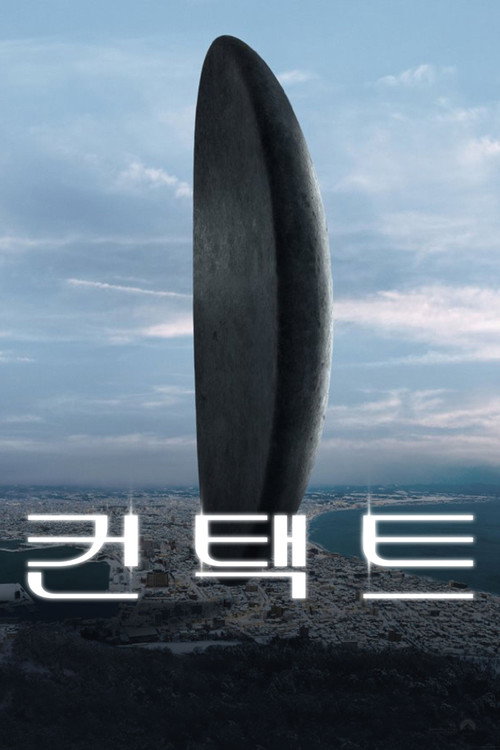
작품으로 돌아가기
컨택트
총 14편의 심화가 있습니다