Language is the foundation of civilization. It is the glue that holds a people together. It is the first weapon drawn in a conflict.
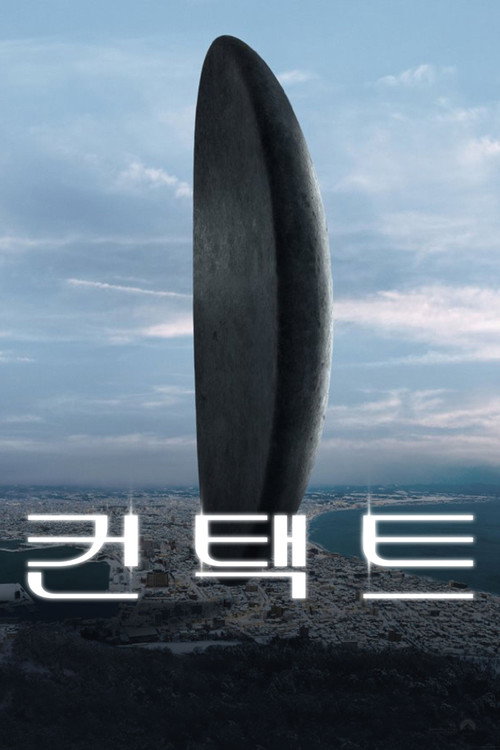
이안 도널리가 던지는 「언어는 문명의 초석이자 사람을 묶어주는 끈이며 모든 분쟁의 첫 무기다」라는 명대사는 인간 중심적이고 선형적인 언어관을 대표합니다. 이 문장은 단순한 학술적 주장을 넘어, 영화 전체의 철학적 뼈대를 형성하며, 외계 문명과의 접촉을 통해 인간의 언어와 시간 개념 자체가 얼마나 제한적이고 오류일 수 있는지에 대한 근본적인 질문을 던지는 핵심 장치입니다.
언어의 삼중적 정의: 인간 중심적 시각의 확립
이안 도널리가 대학교 강의실에서 루이즈 뱅크스에게 던지는 「Language is the foundation of civilization. It is the glue that holds a people together. It is the first weapon drawn in a conflict.」라는 문장은, 언어학적 관점에서 인간 문명의 본질을 세 가지 축으로 정의합니다. 이 정의는 매우 강력하고 설득력이 있지만, 동시에 영화가 전복시키고자 하는 '인간 중심적(Anthropocentric)' 전제가 담겨 있습니다.
1. 문명의 초석 (Foundation of Civilization)
언어는 단순히 의사소통의 수단을 넘어, 지식과 문명을 쌓아 올리는 구조적 기반입니다. 언어가 없다면, 복잡한 과학적 이론이나 역사적 기록은 존재할 수 없습니다. 이 관점은 인간이 언어를 통해 사고의 틀을 만들고, 이를 통해 문명을 발전시켜 왔다는 인류의 자부심을 대변합니다.
2. 사람을 묶어주는 끈 (Glue that holds a people together)
이 부분은 언어가 사회적 결속력, 즉 '공감'과 '공유된 서사'를 만들어내는 접착제 역할을 한다는 의미입니다. 공동의 언어와 문화적 코드는 집단 정체성을 형성하며, 이는 사회를 유지하는 가장 기본적인 힘이 됩니다. 루이즈가 외계인과의 소통에 어려움을 겪을 때, 이 '끈'의 부재가 곧 위기라는 점을 암시합니다.
3. 분쟁의 첫 무기 (First weapon drawn in a conflict)
가장 충격적인 부분이자, 이 명대사가 가진 가장 날카로운 비판적 시각입니다. 언어는 단순한 소통 도구가 아니라, 상대방을 설득하고, 오해를 심고, 심지어 적대감을 조성하는 '정신적 무기'가 될 수 있다는 것입니다. 이는 언어의 힘이 중립적이지 않으며, 항상 권력 관계와 연결되어 있음을 시사합니다.
외계 문명과의 접촉을 통한 전복: 선형성 vs. 동시성
이 명대사가 가진 가장 큰 힘은, 그 완벽한 논리적 구조가 외계 문명 '헤타포드'와의 접촉을 통해 근본적으로 흔들린다는 점입니다. 이안의 주장은 인간의 언어가 '선형적(Linear)' 사고방식에 기반하고 있음을 전제로 합니다. 즉, A가 발생하고 B가 오고, C가 결론이라는 시간의 흐름을 따릅니다.
하지만 헤타포드의 언어는 이 전제를 완전히 무너뜨립니다. 그들의 문자는 시간의 흐름을 따르지 않는 '비선형적(Non-linear)' 구조를 가지고 있습니다. 이는 과거, 현재, 미래가 분리된 것이 아니라 동시에 존재하는 '동시적(Simultaneous)' 의식의 반영입니다. 헤타포드의 언어를 배우는 과정은, 루이즈가 자신이 평생 믿어왔던 '시간의 선형성'이라는 인간의 가장 기본적인 사고 틀을 해체하는 과정과 같습니다.
이러한 충돌은 명대사의 세 가지 정의를 재해석하게 만듭니다. 헤타포드의 언어는 '분쟁의 무기'가 아니라, '시간의 경계를 허무는 도구'이며, '문명의 초석'을 인간의 시간 개념에서 벗어나게 합니다. 루이즈가 이 언어를 습득할수록, 그녀의 사고방식 자체가 헤타포드식의 동시적 의식으로 변화하는 것이 관객에게 전달됩니다.
언어학적 해석: 소통의 본질에 대한 질문
결국 이 명대사는 단순한 언어학적 정의가 아닙니다. 이는 '인간이란 무엇인가'라는 철학적 질문으로 확장됩니다. 우리가 언어라는 틀 안에서 세상을 이해하고, 그 틀 안에서 갈등하고, 그 틀 안에서 문명을 건설해왔다는 자부심이 담겨 있지만, 영화는 그 틀 자체가 너무 좁고 제한적일 수 있음을 보여줍니다.
루이즈의 여정은, 언어학자로서의 전문 지식을 넘어, 인간의 존재 방식 자체를 재정의하는 과정인 것입니다. 그녀는 언어를 통해 외계인과 소통하는 것이 아니라, 외계인의 언어를 통해 '시간을 다루는 법'을 배우는 것입니다.
왜 파고들었나
이 명대사는 영화의 지적 척추와 같습니다. 이안 도널리가 제시하는 '언어의 3가지 정의'는 관객에게 강력한 지적 만족감을 주지만, 동시에 영화가 전복시켜야 할 '인간의 한계'를 명확히 설정합니다. 만약 이 명대사가 없었다면, 외계인과의 소통은 그저 '외계의 기술'을 배우는 과정으로만 느껴졌을 것입니다. 하지만 이 명대사 덕분에, 관객들은 루이즈가 배우는 것이 단순히 새로운 단어가 아니라, 인류가 수만 년 동안 믿어온 '시간의 작동 원리' 자체를 재정립하는 과정임을 깨닫게 됩니다. 이 명대사는 영화의 SF적 스케일과 철학적 깊이를 연결하는 가장 중요한 고리입니다.
작품으로 돌아가기
컨택트
총 14편의 심화가 있습니다