강가에서의 물고기 변신
영화의 클라이맥스에서 에드 블룸이 자신의 죽음을 '강을 헤엄치는 큰 물고기'로 비유하는 장면은 단순한 결말을 넘어, 그의 삶 자체가 고정된 사실이 아닌 끊임없이 흐르는 '서사'였음을 상징적으로 보여줍니다. 이 장면은 아들이 아버지의 삶을 '진실'이라는 잣대로 재단하려 할 때, 아버지가 스스로 자신의 존재를 '이야기'로 완성하며 아들에게 물려주는 순간을 시각화한 장치입니다.
강가에서의 물고기: 서사적 완성으로서의 죽음
영화의 마지막 장면은 아들 윌 블룸이 아버지 에드워드 블룸의 죽음을 받아들이는 과정을 상징합니다. 윌은 아버지의 삶을 '증거'와 '사실'이라는 현실적인 잣대로 이해하려 애쓰지만, 아버지는 그 모든 시도를 뛰어넘는 하나의 거대한 은유를 제시합니다. 바로 '물고기로의 변신'입니다.
1. 물고기 변신이 의미하는 것: 고정된 사실의 거부
에드 블룸의 삶은 윌의 관점에서는 수많은 모험담과 과장된 허풍의 연속이었습니다. 윌은 아버지의 삶을 파편화된 사건들로 분해하여 '진짜'를 찾아내려 합니다. 하지만 아버지가 스스로를 큰 물고기로 비유하며 강을 헤엄쳐 가는 모습은, 그의 존재가 특정 시점이나 장소에 고정된 '사실'이 아님을 선언합니다.
- 흐름(Flow): 물고기는 멈추지 않고 끊임없이 흐르는 매체입니다. 이는 에드 블룸의 삶 자체가 한 지점에서 끝나는 것이 아니라, 수많은 만남과 모험을 거치며 끊임없이 변화하고 흘러가는 '서사(Narrative)'였음을 의미합니다.
- 변화(Transformation): 물고기로의 변신은 육체적 죽음이라는 단일한 결말을 거부하고, 존재 자체가 하나의 이야기로 변모하는 과정을 보여줍니다. 아버지는 물리적으로 사라지지만, 그가 남긴 이야기는 강물처럼 아들에게 계속 흘러가게 됩니다.
2. '이야기'의 계승: 아들에게 남겨진 유산
이 장면은 단순히 아버지가 죽는 모습을 보여주는 것이 아닙니다. 이는 아버지가 자신의 삶을 하나의 '완성된 이야기'로 엮어내고, 그 이야기의 권한을 아들에게 물려주는 의식(儀式)에 가깝습니다. 아버지는 아들에게 '네가 나를 어떻게 기억할지'를 결정할 권한을 넘겨줍니다.
윌은 아버지의 이야기 속에 등장했던 실제 인물들과 이야기를 나누며, 아버지의 모험담이 완전히 거짓말은 아니었음을 깨닫습니다. 이 과정에서 윌은 아버지의 삶을 '진실'이라는 좁은 틀에 가두려 했던 자신의 오만함을 인정하게 됩니다. 결국, 아버지가 남긴 것은 '진실'이 아니라, 그 진실을 포용할 수 있는 '이야기하는 방식' 그 자체입니다.
3. 서사적 클라이맥스로서의 기능
이 물고기 장면은 영화의 주제 의식을 시각적으로 극대화하는 장치입니다. 팀 버튼 특유의 몽환적이고 환상적인 분위기 속에서, 이 장면은 관객들에게 '우리가 사랑하는 사람의 본질은 무엇인가?'라는 근원적인 질문을 던집니다. 그 답은 물리적인 존재가 아니라, 그 존재를 둘러싼 '이야기'라는 것을 역설적으로 보여줍니다. 아버지는 이야기 속으로 사라지지만, 이야기는 아들의 삶 속에서 영원히 계속됩니다.
왜 파고들었나
강가에서의 물고기 변신은 빅 피쉬의 가장 중요한 주제인 '진실과 서사'의 경계를 무너뜨리는 핵심 장치입니다. 이 장면이 없다면, 영화는 단순한 '아버지의 추억 회상기'에 머물렀을 것입니다. 물고기로의 변신은 에드 블룸의 삶이 객관적인 사실의 집합체가 아니라, 아들 윌의 기억과 해석을 통해 끊임없이 재구성되는 '살아있는 서사'였음을 선언합니다. 이는 관객들에게도 '당신이 사랑하는 사람의 모습은 무엇으로 정의되어야 하는가?'라는 질문을 던지며, 영화의 감동적인 여운을 극대화하는 결정적인 순간입니다.
다른 명장면 심화3
- arrow_outward
팀 버튼 특유의 따뜻한 톤
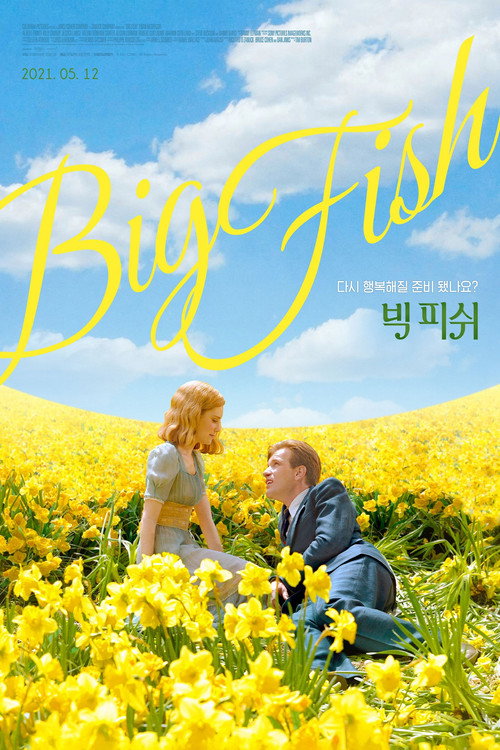
빅 피쉬는 팀 버튼 특유의 어둡고 기괴한 미장센에서 벗어나, 따뜻하고 몽환적인 톤을 유지하며 관객에게 감동을 전달하는 것이 특징입니다. 이 톤의 변화는 단순한 스타일의 전환을 넘어, '진실'을 다루는 방식이 슬픔이나 기괴함이 아닌 '이야기'라는 따뜻한 포용력으로 표현되었음을 의미하며, 작품의 핵심 주제 의식과 직결됩니다.
- arrow_outward
유령마을 스펙터와 마녀
유령마을 스펙터와 운명을 보는 마녀 제니는 단순한 판타지 배경을 넘어, 에드 블룸이 자신의 삶을 '이야기'로 재구성하는 서사적 장치입니다. 이 공간들은 현실의 논리를 초월하며, 관객과 아들 윌에게 '진실'이란 무엇인지, 그리고 인간의 삶을 지탱하는 것은 객관적 사실인지 아니면 아름다운 허구의 힘인지 근본적인 질문을 던집니다.
- arrow_outward
거짓말과 진실의 경계
빅 피쉬의 핵심 주제는 '진실'과 '이야기'의 경계가 무너지는 지점을 탐구합니다. 아들이 아버지의 모험담을 허풍으로 치부하며 진실을 파헤치려 하지만, 영화는 결국 진실이란 객관적인 사실의 나열이 아니라, 사랑과 기억을 통해 재구성되는 '이야기' 그 자체임을 보여줍니다. 이 과정은 한 인간의 존재 의미를 완성하는 가장 아름다운 방식임을 역설합니다.
작품으로 돌아가기
빅 피쉬
총 13편의 심화가 있습니다