윌 블룸
윌 블룸은 아버지 에드워드 블룸의 기상천외한 모험담을 처음에는 단순한 허풍으로 치부하며 진실을 파헤치려 하는 인물입니다. 그러나 아버지의 죽음이 다가오고 옛 친구들을 만나면서, 그는 아버지의 이야기가 거짓이 아니라, 아버지가 살아온 삶의 모든 순간과 사랑을 가장 아름답게 포장한 '이야기' 그 자체임을 깨닫게 됩니다. 윌의 여정은 관객들에게 '진실'과 '이야기' 중 무엇이 더 가치 있는가에 대한 깊은 질문을 던집니다.
진실 추구자에서 이야기의 수용자로: 윌 블룸의 캐릭터 곡선
윌 블룸은 영화의 서사를 이끌어가는 관객의 시선 대변자 역할을 수행합니다. 그는 아버지 에드워드 블룸의 모험담을 접하는 순간, 그 모든 것이 과장되고 꾸며낸 '허풍'이라고 단정합니다. 윌에게는 명확한 사실과 증거가 중요하며, 아버지의 삶을 객관적인 기록으로 재단하려는 강한 욕구가 있습니다.
1. 초기 단계: 회의주의와 진실 추적
영화 초반, 윌은 아버지의 이야기가 너무나도 비현실적이라고 느낍니다. 큰 거인, 마녀, 늑대인간 서커스 단장 등은 그에게는 그저 아버지가 죽음을 앞두고 자신을 위로하기 위해 만들어낸 '과대 포장된 거짓말'일 뿐입니다. 윌은 아버지의 진짜 삶의 기록, 즉 '진실'을 찾아내기 위해 노력합니다. 이 과정에서 그는 아버지의 과거를 파헤치려는 탐정 같은 태도를 취하며, 아버지의 이야기에 의문을 제기하는 핵심적인 역할을 맡습니다.
이러한 의심은 그가 아버지의 거짓말 속에 등장하는 '증거'를 찾아내기 위해 창고 깊숙한 곳까지 파고드는 행동으로 구체화됩니다. 윌은 아버지가 남긴 단서들을 조합하며, 아버지의 삶을 재구성하려 애쓰지만, 그가 찾는 것은 물리적인 증거에 국한되어 있습니다.
2. 전환점: 옛 친구들과의 만남
윌의 시각에 결정적인 변화를 가져오는 것은 아버지의 장례식장에서의 만남입니다. 그곳에서 그는 아버지의 옛 친구들을 만나게 됩니다. 이 만남은 윌이 그동안 쌓아왔던 '진실'에 대한 믿음의 탑을 무너뜨리는 계기가 됩니다.
친구들은 아버지의 이야기들이 완전히 거짓말은 아니었음을, 오히려 아버지가 실제로 겪었던 일들을 토대로 '이야기'로 확장하고 아름답게 다듬은 것임을 보여줍니다. 즉, 모험담의 근간에는 아버지의 실제 경험과 진심이 깔려 있었던 것입니다. 윌은 비로소 아버지의 삶이 '사실'과 '이야기' 사이의 경계에 존재한다는 것을 깨닫습니다.
3. 수용과 완성: 이야기의 힘
궁극적으로 윌은 아버지의 모험담을 '진실의 대체물'이 아닌, '아버지라는 존재를 정의하는 방식'으로 받아들이게 됩니다. 아버지의 허풍은 아버지가 자신을 지키고, 아들에게 사랑을 전달하는 가장 효과적이고 아름다운 방식이었던 것입니다. 아버지는 자신의 삶을 하나의 거대한 서사로 완성하며, 그 서사 자체가 아들에게 물려줄 가장 중요한 유산임을 깨닫습니다.
영화의 마지막 장면에서 윌이 아버지의 이야기를 듣는 방식은, 그가 이제 아버지의 '진실'을 파헤치려는 아들이 아니라, 아버지의 '이야기'를 사랑하고 이해하는 성숙한 청년이 되었음을 상징합니다. 윌의 성장은 곧 관객들에게 '삶이란 무엇인가'라는 질문에 대한 답을 제시하며, 가장 중요한 가치는 객관적 사실이 아니라, 그 사실들을 감싸 안는 '사랑과 기억'이라는 것을 역설합니다.
왜 파고들었나
윌 블룸의 캐릭터 아크는 이 영화의 주제 의식 그 자체입니다. 영화는 '진실'과 '이야기'라는 두 축을 중심으로 전개되는데, 윌은 이 두 축 사이에서 갈등하는 관객의 대리인 역할을 합니다. 윌이 아버지의 모험담을 '허풍'으로 치부하는 초기 모습은, 현대 사회가 객관적이고 검증 가능한 '진실'만을 가치 있게 여기는 경향을 반영합니다. 그러나 그가 결국 아버지의 이야기를 '사랑의 방식'으로 수용하는 순간, 영화는 우리에게 '진짜 삶'이란 완벽하게 검증된 사실의 나열이 아니라, 수많은 모험과 사랑, 그리고 그 모든 것을 포용하는 따뜻한 서사임을 역설합니다. 윌의 성장은 곧 영화가 전달하고자 하는 가장 따뜻하고도 깊은 메시지입니다.
다른 인물 심화5
- arrow_outward
에드 블룸 (젊은)
에드 블룸 (젊은)은 평생을 모험을 즐기며 살아온 이야기꾼이자, 자신의 삶을 기상천외한 모험담으로 포장하는 능력을 가진 인물입니다. 그는 단순히 과거를 회상하는 것이 아니라, 자신의 존재 자체를 하나의 거대한 서사로 만들어내는 '이야기' 그 자체입니다. 그의 전설적인 삶은 아들 윌에게 '진실'과 '이야기'의 경계에 대한 근본적인 질문을 던지며 영화의 핵심 주제를 이끌어갑니다.
- arrow_outward
에드 블룸 (노년)
에드 블룸 (노년)은 죽음을 앞둔 아버지이자, 자신의 삶을 하나의 거대한 서사로 완성하려는 이야기꾼입니다. 그는 「내가 왕년에~」라는 문장으로 시작되는 기상천외한 모험담을 아들에게 들려주며, 이 이야기들은 단순한 거짓말이 아니라, 한 인간의 존재와 사랑을 정의하는 가장 아름다운 방식임을 보여줍니다. 그의 이야기는 진실과 허구의 경계를 허물며, 삶의 의미를 탐구하는 핵심 장치입니다.
- arrow_outward
산드라 블룸 (어머니)
산드라 블룸은 에드 블룸의 삶을 지탱하는 가족의 중심축이자, 환상과 현실의 경계에서 가장 중요한 역할을 하는 인물입니다. 그녀는 남편의 기상천외한 모험담을 듣는 청자로서, 아들 윌이 추구하는 '진실'의 기준을 무너뜨리고, 결국 '이야기' 그 자체에 가치를 부여하게 만드는 감정적 닻 역할을 수행합니다.
작품으로 돌아가기
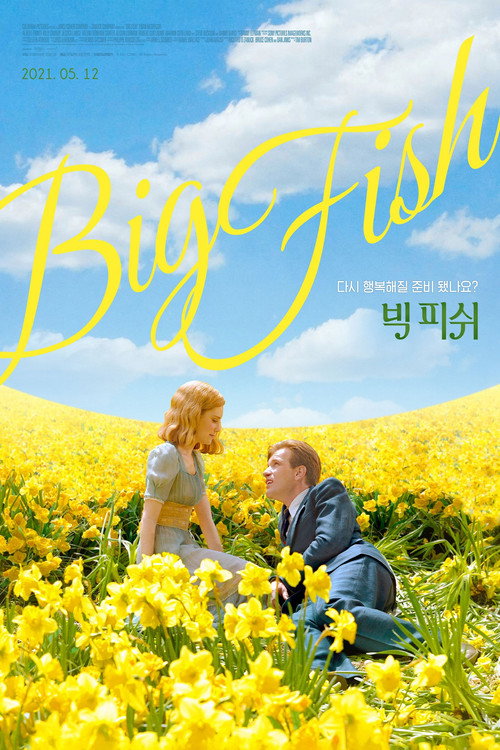
빅 피쉬
총 13편의 심화가 있습니다