The Conflict Between Keith and Sebastian
The conflict between Sebastian and Keith symbolizes, beyond a simple musical disagreement, the fundamental artistic tension between 'preservation' and 'evolution' that the genre of jazz itself must navigate. Sebastian's insistence on the purity of traditional jazz and Keith's attempt to adapt to popular currents demonstrate the eternal dilemma between commercialism and artistic integrity that every art form faces, adding depth to the film's thematic weight.
The Two Paths of Jazz: The Opposition of Preservation and Evolution
The relationship between Sebastian Wilder and Keith is the most explicit collision of artistic ideology in the film. The two once shared the same road, but the difference in their musical visions poses a fundamental question not merely about taste but about the identity of jazz as a genre itself.
Sebastian fights to preserve the 'old-school' purity of jazz. To him, jazz is not simply something to listen to — it is the very process of musicians stealing each other's melodies, composing anew, arranging on the fly, and 'clashing then compromising.' It is the art of fierce dialogue and communication. He feels a deep unease about the phenomenon of jazz 'withering and running its course,' and regards preserving the tradition as something close to his personal mission.
Keith's current, by contrast, pursues a sound infused with electronic elements and pop melodies for a broader audience. This represents the argument that jazz must 'evolve' in order to adapt to the flow of the times and reach a wider public. Keith's music reflects the generational and commercial shifts that jazz is undergoing, symbolizing the value of 'compromise' that art must inevitably make in order to survive.
The Symbolism of the Conflict: Art's Eternal Dilemma
Their conflict cannot be dismissed as personal bickering. It is the device that maximizes the universal dilemma every art form faces — the eternal tension between 'Purity' and 'Commercialism.'
- Sebastian's position (Preservation): Sebastian places the value of 'fierce communication' in jazz above all else. To him, jazz is not 'comfortable background music' but a 'battle' between musicians. He is most wary of this pure artistic value being diluted under the name of commercial success.
- Keith's position (Evolution): Keith believes jazz can only survive by adapting to contemporary audiences and the market. His music reflects a 'realistic mode of survival' for jazz as it merges with pop. This mirrors a cold-eyed recognition of reality: art cannot resist the tide of the times.
The Paradox of the Relationship: Understanding Within Conflict
What is interesting is that they are not entirely adversarial. Though they parted ways over musical differences, Keith shows a 'magnanimous' side — he likes Sebastian, considers his talent a waste, and is the first to offer reconciliation and an invitation to join. The suggestion by the film's end that 'people who cling to only one outdated style are the very ones who hastened the death of jazz' — observed as Sebastian fails to adapt even after joining Keith's band — implies that this conflict does not end in the victory of one side. Ultimately, they each recognize the other's existence but cannot close the gap between them, and go their separate ways.
This complex relational dynamic poses the question to the audience: 'What is true art?' — deepening the film's thematic consciousness.
Why It Matters
The conflict between Sebastian and Keith draws the abstract theme of La La Land — 'dreams' — down to the concrete problem of 'artistic survival.' If the romance between Mia and Sebastian focuses on 'the individual's dream,' the conflict between these two musicians expands to the sweeping scale of 'the survival of an entire genre.' Thanks to this conflict structure, the film transcends a simple romantic comedy about love and success, becoming capable of carrying a deep philosophical discussion about the ethics of being an artist, responsibility in the face of change, and the intrinsic value of art. This determines the artistic depth and gravity of the work.
Other 떡밥 dives4
- arrow_outward
The Meaning and Setting of La La Land
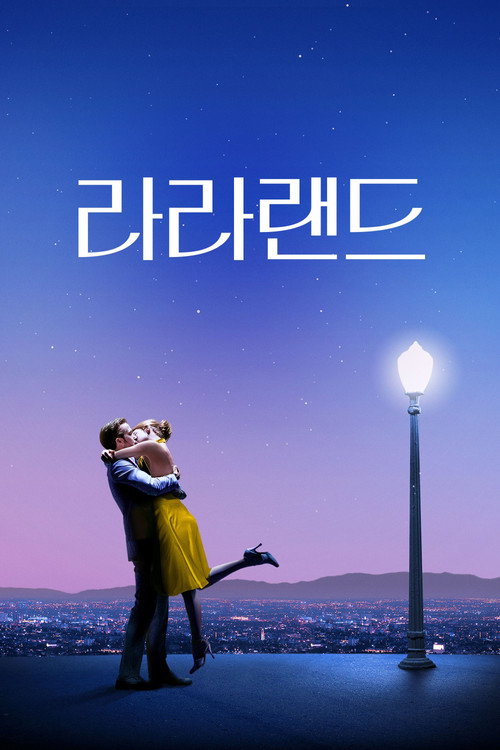
The name 'La La Land' — both the film's title and its setting — holds a double meaning: it is Los Angeles's nickname and an expression meaning 'a state of being disconnected from reality.' This duality is the core theme running through the entire work, implying that the space of LA, full of dreams and fantasy, is simultaneously a stage of cold reality. The film poses a deep question about the passion and frustration artists experience as they chase their dreams, and about the price those dreams demand.
- arrow_outward
Sebastian's Jazz Philosophy
The jazz philosophy Sebastian Wilder embodies defines jazz not as simple background music but as a process of 'fierce combat' and 'intense communication' between musicians. This philosophy is directly linked to a sense of crisis that jazz is 'dying,' and it collides head-on with Mia's practical goal of 'commercial success,' driving the film's core conflict.
- arrow_outward
The Rialto Theater Reunion
The reunion at the Rialto Theater is the defining scene that burns into the audience's memory that Mia and Sebastian's connection is not mere coincidence but destiny. When Mia — exhausted by auditions — arrives at the agreed-upon theater and Sebastian finds her in the middle of a screening, it is the emotional flashpoint in which both realize they are 'essential to each other.' The scene symbolizes the destined pull of encountering kindred spirits while chasing dreams, and the wistful resonance created by the intrusion of reality.
Back to the title
La La Land
14 deep dives in total