귀
유대계 이탈리아인, 낙천적인 아버지 · 로베르토 베니니
타고난 재치와 유머 감각을 지닌 주인공. 절망적인 수용소 생활 속에서도 아들의 동심을 지키기 위해 모든 것을 '게임'으로 위장하며 가족을 지키는 아버지의 상징입니다.
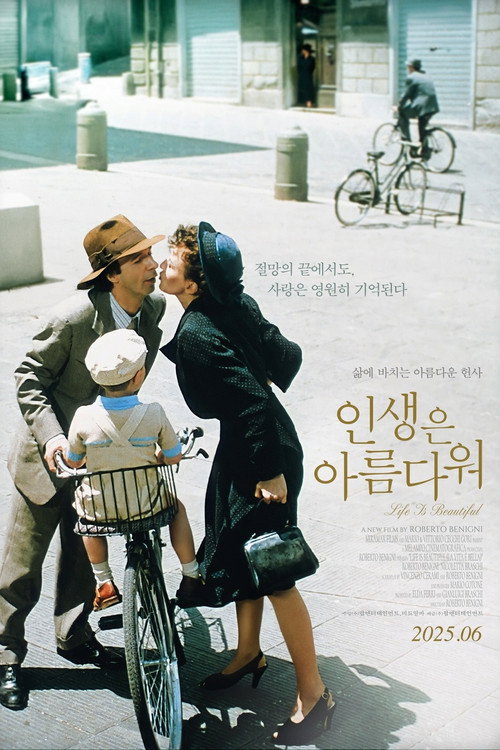
La vita è bella
감독 로베르토 베니니 · 1997-12-20 · 116분 · Mario e Vittorio Cecchi Gori - C.E.I.A.D.
홀로코스트라는 거대한 비극을 배경으로, 이 영화는 웃음과 낙천주의라는 가장 인간적인 무기를 꺼내 듭니다. 1939년 이탈리아, 유대인 청년 귀도는 특유의 재치와 말솜씨로 도라라는 교사에게 반하고, 그녀의 마음을 사로잡아 결혼합니다. 하지만 전쟁이 발발하고 가족이 수용소에 갇히게 되자, 귀도는 아들 조슈아를 안심시키기 위해 이 끔찍한 현실을 '1,000점을 모으면 탱크를 받는 게임'이라고 속입니다. 이처럼 절망적인 상황 속에서 펼쳐지는 아버지의 위대한 거짓말과, 그 거짓말에 동참하는 사람들의 모습은 관객에게 웃음과 눈물이라는 복합적인 감정적 경험을 선사합니다. 이 영화는 단순한 코미디가 아닌, 인간 정신의 가장 숭고한 생존 방식을 탐구하는 걸작입니다.
1939년 이탈리아, 말솜씨가 좋은 유대인 청년 귀도는 친구와 함께 도시로 상경하여 호텔 웨이터로 일하며 재능을 꽃피웁니다. 그는 동네 초등학교 교사인 도라와 운명적으로 재회하고, 그녀의 진심 어린 사랑을 얻어 결혼하며 아들 조슈아를 낳고 행복한 가정을 꾸립니다. 그러나 이탈리아가 나치 독일의 점령 아래 놓이면서, 귀도 가족은 유대인이라는 이유로 수용소에 끌려가게 됩니다. 도라는 비록 유대인이 아니지만, 가족과 함께 운명을 공유하기 위해 수용소행을 자청합니다. 수용소에 도착한 후, 귀도는 아들 조슈아에게 이 모든 비참한 상황을 '게임'이라고 설명하며, 아들의 동심을 지키기 위해 필사적으로 노력합니다. 수용소 생활은 생존을 위한 투쟁이자, 아들에게 희망을 전달하기 위한 거대한 연극이 됩니다.
유대계 이탈리아인, 낙천적인 아버지 · 로베르토 베니니
타고난 재치와 유머 감각을 지닌 주인공. 절망적인 수용소 생활 속에서도 아들의 동심을 지키기 위해 모든 것을 '게임'으로 위장하며 가족을 지키는 아버지의 상징입니다.
귀도의 아내, 교사 · 니콜레타 브라스키
권력지향적인 약혼자가 있었으나 귀도를 선택한 인물. 남편과 아들이 수용소로 끌려가자 유대인이 아님에도 자진해 가족과 운명을 함께 합니다.
귀도와 도라의 아들 · 조르지오 깐타리니
아버지의 거짓말을 믿고 수용소 생활을 견디는 순수한 아이. 영화의 내레이션을 통해 아버지가 준 '최고의 선물'에 대해 이야기하며 작품의 주제를 완성합니다.
독일 의사 출신 장교 · 호르스트 부흐홀츠
과거 호텔 웨이터로 귀도와 수수께끼를 교환하며 친분을 쌓았던 인물. 수용소에서 재회하며 귀도에게 잠시나마 희망을 주지만, 결국 귀도와 가족을 구하려다 희생됩니다.
영화 인생은 아름다워는 시간과 기억을 단순한 흐름이 아닌, 생존을 위한 능동적인 재구성 과정으로 해석합니다. 아버지가 수용소의 비극을 아들에게 '게임'으로 포장하는 행위는, 인간의 정신이 극한의 고통 속에서도 희망과 의미를 찾으려는 가장 숭고한 생존 방식을 보여주며, 기억 자체가 곧 삶을 지탱하는 가장 강력한 무기임을 역설합니다.
영화 인생은 아름다워에서 귀도의 유머는 단순한 코미디적 장치를 넘어, 인간 정신의 가장 강력한 생존 무기입니다. 그는 로맨스에서 재치로 사랑을 쟁취하고, 수용소라는 극한의 비극 속에서는 아들의 동심을 지키기 위한 '거대한 거짓말'이라는 연극으로 유머를 승화시킵니다. 이 유머는 절망적인 현실에 맞서는 아버지의 숭고한 사랑이자, 인간 본연의 낙천주의를 상징합니다.
레싱은 영화 속에서 귀도에게 지적인 친밀감을 제공했던 독일 의사 출신 장교로, 단순한 악역을 넘어선 복잡한 인물입니다. 그는 지식과 문명인으로서의 우월감을 바탕으로 귀도와 교류하지만, 수용소라는 극한의 상황에 놓이면서 그 지적 우월함이 도덕적 무력함으로 변모하는 과정을 보여주며, 인간의 도덕적 딜레마를 상징합니다.
영화 인생은 아름다워가 제시하는 '웃음으로 승화시킨 비극의 미학'은, 홀로코스트라는 극한의 비극을 블랙 코미디라는 장르적 틀로 재해석하는 방식입니다. 아버지 귀도가 아들의 순수성을 지키기 위해 '1,000점 게임'이라는 거대한 거짓말을 만들어내는 과정은, 단순한 유머를 넘어 절망적인 현실에 맞서는 인간 정신의 가장 능동적이고 숭고한 생존 방식이자 저항의 철학을 구현합니다.
영화 인생은 아름다워의 핵심 배경인 유대인 차별과 수용소 생활은 단순한 비극적 역사를 넘어, 인간 정신의 가장 숭고한 생존 방식을 탐구하는 무대입니다. 특히 순혈 이탈리아인인 도라가 가족과 함께 수용소행을 자청한 행위는, 억압적인 시스템에 맞서 '가족의 유대'라는 윤리적 가치를 최우선으로 두겠다는 의지의 표현으로 해석됩니다.
영화 인생은 아름다워를 관통하는 핵심 은유인 수용소의 '게임' 규칙은, 극한의 비극 속에서 아들의 동심과 인간성을 지키기 위한 아버지 귀도의 위대한 거짓말입니다. 이 '게임'은 단순한 놀이가 아니라, 절망적인 현실을 '점수'라는 목표로 치환하여 생존을 위한 심리적 안전지대를 구축하는 아버지의 가장 숭고하고도 유쾌한 생존 전략입니다.
도라 오레피체는 단순한 아내를 넘어, 생존과 사랑 사이에서 가장 어려운 선택을 하는 인물이다. 그녀는 부와 명예를 상징하는 약혼자를 거절하고, 유대인이라는 위험한 운명을 감수하며 남편과 아들과 수용소라는 절망 속으로 걸어 들어간다. 그녀의 선택은 이 영화가 다루는 생존의 본질을 관통하며, 인간의 의지가 역사의 비극을 어떻게 감싸 안을 수 있는지를 보여준다.
레싱 박사는 영화 속에서 '도움이 될 수 없는 도움'을 상징하는 인물로, 귀도에게 지적 친밀감과 일시적인 희망을 제공하지만, 결국 생존의 현실적인 벽 앞에서 무력함을 드러낸다. 그의 존재는 인간의 지식과 선의가 거대한 비극적 시스템 앞에서 얼마나 취약한지를 보여주며, 주인공이 스스로의 힘으로 가족을 지켜내야 한다는 메시지를 강화하는 장치이다.
엘리세오 오레피체는 주인공 귀도의 삼촌이자 초기 호텔 웨이터 시절의 조력자입니다. 그는 귀도 가족이 수용소로 끌려가는 비극적인 여정에 동행하며, 가족의 역사를 함께하는 중요한 조력자 역할을 수행합니다. 그의 존재는 가족의 유대감과 함께, 절망적인 상황 속에서도 인간적인 연결고리가 얼마나 중요한지를 상징적으로 보여줍니다.
영화 인생은 아름다워의 핵심 주제는 극한의 비극 속에서 아들의 동심을 지키기 위해 아버지가 만들어낸 '게임'이라는 거대한 거짓말에 있습니다. 이 거짓말은 단순한 위안을 넘어, 생존의 목적을 '공포로부터의 탈출'에서 '게임을 완성하는 것'으로 재정의하며, 인간 정신의 가장 숭고하고 강력한 방어 기제를 보여줍니다.
조슈아 오레피체는 홀로코스트라는 극한의 비극을 배경으로, 아버지 귀도의 '게임'이라는 거짓말을 믿고 살아가는 순수한 아이의 시선을 대변합니다. 그의 동심은 영화의 가장 강력한 감정적 무기이자, 절망적인 현실 속에서도 인간의 희망과 낙천주의가 얼마나 숭고할 수 있는지를 보여주는 핵심 장치입니다.
귀도 오레피체는 홀로코스트라는 극한의 비극을 배경으로, 아들의 순수한 동심을 지키기 위해 모든 것을 '게임'으로 위장하는 낙천적인 아버지의 상징입니다. 그의 타고난 재치와 유머는 단순한 코미디를 넘어, 인간 정신이 절망 속에서 발휘할 수 있는 가장 숭고한 생존 방식이자, 희망을 전달하는 거대한 연극입니다.
귀도는 수용소 생활을 아들에게 '1,000점을 모으면 탱크를 받는 게임'이라고 설명합니다. 이 거짓말은 아들의 동심을 지키기 위한 아버지의 필사적인 노력이며, 수용소 사람들도 이 거짓말에 동참하게 됩니다.
이 '게임'은 단순한 놀이가 아니라, 극한의 비극 속에서 인간성을 유지하려는 아버지의 가장 위대한 생존 전략입니다. 아들이 현실의 공포 대신 '점수'라는 목표에 집중하게 만듦으로써, 아들에게 심리적인 안전지대를 제공합니다. 이 장면은 영화 전체를 관통하는 핵심적인 은유입니다.
1930년대 말, 이탈리아에서 유대인 차별 정책이 시행되면서 귀도와 그의 가족들은 차별을 받게 되었습니다. 도라는 순혈 이탈리아인이었음에도 남편과 아들이 잡혀가자 자진해 수용소로 들어갑니다.
도라가 수용소행을 자청한 행위는 단순한 가족애를 넘어, 그 시대의 억압적인 시스템에 맞서 '가족의 유대'를 최우선 가치로 두겠다는 의지의 표현입니다. 이는 생존을 위한 개인의 선택이 어떻게 윤리적, 심리적 경계를 허무는지 보여줍니다.
귀도는 특유의 재치 있는 입담과 유머 센스로 호텔 웨이터로 빠르게 적응하며 좋은 평가를 받습니다. 그는 도라에게 자신의 진심을 전하며, 그녀가 원치 않는 약혼을 하게 될 예정임을 알립니다.
귀도의 유머는 단순한 오락거리가 아닙니다. 그것은 그가 세상과 관계를 맺는 방식이자, 가장 강력한 생존 도구입니다. 그는 유머를 통해 주변 사람들의 경계를 허물고, 도라의 마음을 얻는 동시에 수용소에서도 희망을 유지하는 원동력으로 사용합니다.
수용소에서 만난 레싱 박사는 귀도에게 잠시나마 희망을 주지만, 결국 가족을 구하려다 군인들에게 들키게 됩니다. 그는 수수께끼를 통해 자신의 죄책감을 토로하며 도움을 줄 수 없는 처지임을 귀도에게 전합니다.
레싱은 영화 속에서 '도움이 될 수 없는 도움'을 상징합니다. 그는 귀도에게 지식과 친밀감을 제공하지만, 그 지식은 결국 생존의 현실적인 벽 앞에서 무력해집니다. 그의 희생은 귀도가 스스로의 힘으로 가족을 지켜내야 한다는 메시지를 강화합니다.
이 영화는 홀로코스트를 다룬 작품 중에서도 독특한 장르적 접근으로 큰 반향을 일으켰습니다. 비극을 코미디로 포장하는 방식은 논란의 여지가 있지만, 동시에 '인간의 정신적 회복력'이라는 보편적 주제를 전 세계 관객에게 전달하는 데 성공했습니다. 이로 인해 영화는 단순한 역사극을 넘어, 삶의 의미와 희망에 대한 철학적 질문을 던지는 예술 영화로 자리매김했습니다.
![[영화리뷰/결말포함] 죽기 전에 반드시 봐야 할 최고의 명작! "인생은 아름다워!"](https://i.ytimg.com/vi/UjIIvsF23Z8/mqdefault.jpg) 15:42
15:42무비 메세지[Movie Message]
[영화리뷰/결말포함] 죽기 전에 반드시 봐야 할 최고의 명작! "인생은 아름다워!"
21만회
Watch on 12:56
12:56지무비 : G Movie
와.. 미친.. 한국에서 이런 영화를 만들었다고..??
141만회
Watch on![💫죽기 전에 봐야 하는 인생 영화💫가족의 '아름다운 인생' 을 위해 모든 걸 바친 아버지의 위대한 사랑[결말 포함]](https://i.ytimg.com/vi/8TeE0MWjgpQ/mqdefault.jpg) 22:18
22:18미니필름(Mini Film)
💫죽기 전에 봐야 하는 인생 영화💫가족의 '아름다운 인생' 을 위해 모든 걸 바친 아버지의 위대한 사랑[결말 포함]
1만회
Watch on![[개명작] 끔찍한 수용소로 끌려갔지만 그의 인생은 아름답다](https://i.ytimg.com/vi/rGv4W9sSfO8/mqdefault.jpg) 15:41
15:41구불
[개명작] 끔찍한 수용소로 끌려갔지만 그의 인생은 아름답다
39만회
Watch on![[인생은 아름다워] 따뜻한 가족 드라마🍊로 위장한 익스트림 고부갈등 드라마 (아님) # 1-1](https://i.ytimg.com/vi/OxXLZheULqc/mqdefault.jpg) 12:16
12:16SBS 옛날 드라마 - 빽드
[인생은 아름다워] 따뜻한 가족 드라마🍊로 위장한 익스트림 고부갈등 드라마 (아님) # 1-1
31만회
Watch on![[인생은 아름다워] 자버렸어요... 내가... 파계했다니까요.../😲😲😲😲❗️❓❗️❓ # 33-1](https://i.ytimg.com/vi/_gorjMaT4N0/mqdefault.jpg) 14:22
14:22SBS 옛날 드라마 - 빽드
[인생은 아름다워] 자버렸어요... 내가... 파계했다니까요.../😲😲😲😲❗️❓❗️❓ # 33-1
13만회
Watch on

