원반과 가방의 상징적 의미
원반과 돈가방은 영화 『원스 어폰 어 타임 인 아메리카』에서 시간의 흐름과 기억의 순환을 상징하는 핵심 장치입니다. 원반은 주인공 누들스의 현재와 과거를 끊임없이 오가게 하는 매개체이며, 돈가방은 그들이 함께 쌓아 올린 범죄의 역사와 잃어버린 순수성을 상징합니다. 이 두 상징물은 단순한 소품을 넘어, 피할 수 없는 운명적 악연과 아메리칸 드림의 허상적 굴레를 시각적으로 구현합니다.
원반과 돈가방: 시간과 운명을 잇는 두 개의 상징
『원스 어폰 어 타임 인 아메리카』를 관통하는 가장 중요한 미장센 요소는 바로 '원반'과 '돈가방'입니다. 이 두 상징물은 단순히 영화 속 소품이 아니라, 주인공 누들스가 겪는 시간의 흐름, 기억의 왜곡, 그리고 벗어날 수 없는 운명적 굴레 그 자체를 시각화한 장치입니다.
1. 원반: 끊임없이 반복되는 기억의 순환
원반은 영화의 구조적 장치이자, 누들스의 심리 상태를 반영하는 거울입니다. 영화는 누들스의 회상과 현실을 끊임없이 교차시키는데, 이 원반은 그 전환의 순간을 알리는 신호탄 역할을 합니다.
- 상징적 의미: 원반은 '순환'을 의미합니다. 누들스가 겪는 모든 사건, 즉 유년기의 순수한 우정, 청년기의 타락, 그리고 노년기의 회한은 직선적인 시간이 아니라, 끊임없이 같은 지점으로 돌아오는 원형의 구조를 가집니다. 이는 '과거에서 도망치려 해도 결국 과거가 현재를 침식한다'는 영화의 핵심 메시지를 담고 있습니다.
- 작동 방식: 원반이 날아오는 장면은 종종 누들스가 현재의 고통스러운 현실에서 벗어나 과거의 특정 기억(주로 친구들과의 행복했던 순간)으로 강제 소환되는 순간과 맞물립니다. 이는 누들스가 자신의 기억을 통제할 수 없으며, 과거의 그림자가 항상 그를 따라다닌다는 것을 의미합니다.
2. 돈가방: 함께 쌓아 올린 욕망과 배신의 무게
돈가방은 누들스 패거리가 함께 벌인 모든 범죄의 결과물, 즉 '물질화된 역사'를 상징합니다. 이 돈가방은 단순한 돈의 뭉치가 아니라, 그들이 공유했던 시간, 욕망, 그리고 결국 배신으로 인해 흩어지게 된 모든 관계의 무게를 담고 있습니다.
- 유년기의 돈가방: 소년 시절, 누들스는 친구들과 함께 밀주 사업으로 번 돈의 절반을 모아 기차역의 물품 보관함에 넣어둡니다. 이 돈은 '미래의 기금'이라는 순수한 목적을 가지고 있었으며, 이는 당시 그들의 우정과 공동의 목표가 아직 순수했음을 보여줍니다. 이 돈가방은 그들의 '함께'라는 개념을 상징합니다.
- 노년의 돈가방: 노년의 누들스가 돈가방을 들고 이동하는 장면은, 그가 평생을 바쳐 모으고 지켜온 '자신의 역사'를 상징합니다. 이 돈가방은 그가 겪은 모든 성공과 실패, 그리고 그가 짊어진 죄책감의 무게 그 자체입니다.
3. 원반과 가방의 교차 편집: 피할 수 없는 악연의 재회
가장 상징적인 순간은 노년의 누들스가 돈가방을 들고 이동하는 장면에서 원반이 날아오고, 그 원반을 잡는 순간 젊은 시절 맥스가 출소한 누들스의 가방을 낚아채는 교차 편집입니다. 이 장면은 두 상징물이 충돌하는 지점이며, 영화의 비극적 결말을 압축적으로 보여줍니다.
- 맥스의 개입: 맥스가 누들스의 가방을 낚아채는 행위는, 누들스가 아무리 시간과 거리를 두고 도망치려 해도, 맥스라는 존재(혹은 맥스가 상징하는 '배신'과 '탐욕')가 그의 삶의 가장 중요한 부분을 강제로 회수한다는 것을 의미합니다. 이는 누들스가 맥스로부터 벗어날 수 없었던 운명적 악연을 극적으로 표현합니다.
- 시간의 침식: 원반과 가방의 교차는 '현재의 누들스'와 '과거의 누들스'가 맥스라는 매개체를 통해 끊임없이 오염되고 침식당하는 과정을 보여줍니다. 누들스는 자신의 과거와 현재를 분리할 수 없으며, 그 모든 것이 맥스라는 배신과 욕망의 그림자 아래 놓여 있음을 깨닫게 됩니다.
왜 파고들었나
원반과 돈가방은 이 영화가 단순한 갱스터 드라마가 아닌, '시간과 기억에 대한 철학적 탐구'임을 증명하는 핵심 장치입니다. 이 상징들은 관객에게 '우리가 겪는 고통과 성공은 과연 우리 스스로의 선택인가, 아니면 피할 수 없는 운명의 반복인가?'라는 질문을 던집니다. 특히 원반이 상징하는 '순환'의 개념은, 아메리칸 드림이라는 거대한 신화가 결국 반복되는 욕망과 배신이라는 비극적 패턴을 벗어나지 못한다는 염세적인 결론을 뒷받침합니다. 이 상징들을 이해하는 것이야말로, 세르지오 레오네가 관객에게 던지고자 했던 가장 깊은 메시지를 해독하는 열쇠입니다.
다른 명장면 심화4
- arrow_outward
시간의 비선형적 구조와 회상
원스 어폰 어 타임 인 아메리카의 핵심은 시간의 비선형적 구조에 있습니다. 영화는 1920년대의 순수한 청춘, 1930년대의 타락한 성년기, 그리고 1960년대의 회상이라는 세 시점을 끊임없이 교차시키며 전개됩니다. 이 구조는 주인공 누들스가 겪는 모든 배신과 몰락이 아무리 시간이 흘러도 반복되는 인간의 운명적 패턴임을 시각적으로 증명하는 장치입니다.
- arrow_outward
뉴욕 빈민가와 범죄의 역사
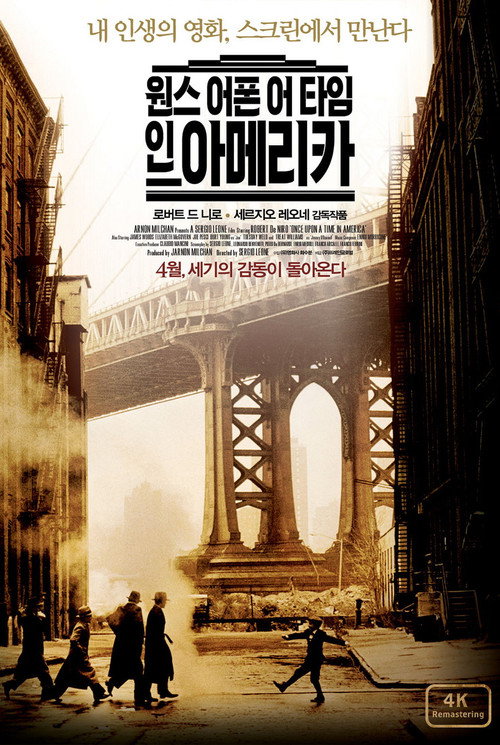
영화의 배경이 되는 1920~30년대 뉴욕의 유대인 빈민가는 단순한 공간을 넘어, 주인공들의 순수한 우정과 타락한 욕망이 교차하는 원초적인 무대입니다. 이곳은 이민자 출신들이 생존을 위해 범죄를 '문화적 일부'로 받아들이던 시대상을 반영하며, 캐릭터들의 거칠고 원초적인 감정을 극대화하는 서사적 기원지입니다.
- arrow_outward
아메리칸 드림의 허상과 몰락
영화 원스 어폰 어 타임 인 아메리카에서 '아메리칸 드림의 허상과 몰락'은 단순한 배경이 아닌, 작품 전체를 관통하는 비극적 주제입니다. 주인공들이 추구했던 모든 성공과 명예, 그리고 꿈은 결국 쓰레기처럼 폐기되는 과정으로 은유되며, 이는 물질적 성공을 좇는 과정에서 잃어버린 인간성이라는 비극적 결론을 제시합니다.
작품으로 돌아가기
원스 어폰 어 타임 인 아메리카
총 12편의 심화가 있습니다