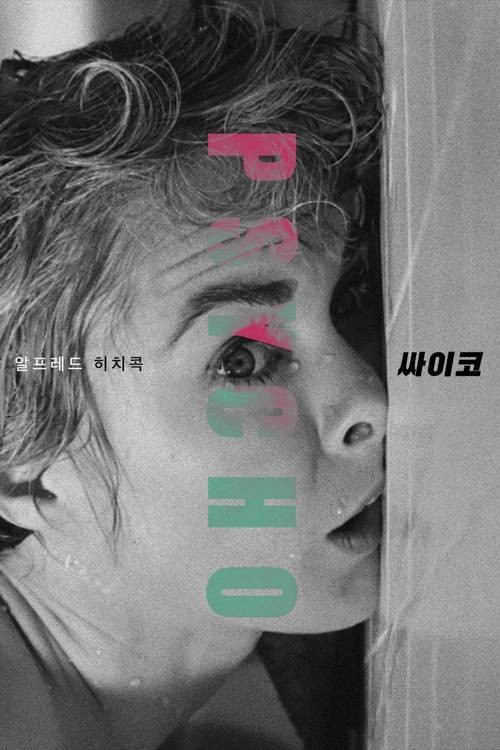
Bernard Herrmann's Score: The Power of Soundtrack
Bernard Herrmann's score is the decisive element that elevates the horror in Psycho from mere visual shock to aural suspense. His sharp, dissonant music for strings alone maximizes the viewer's psychological anxiety, providing the artistic foundation that earned the film its reputation as the textbook of the horror genre.
Aural Architecture for Designing Horror: Bernard Herrmann's Soundtrack
The biggest reason Psycho is called the textbook of the thriller rather than a simple horror film is that it did not realize horror only through visual violence. The core driving force creating the film's atmosphere and tension is the score composed by Bernard Herrmann. Herrmann's music goes beyond simply filling in background sound to act like an 'aural structure,' directly calibrating the audience's heartbeat and sense of unease.
1. The Psychological Pressure of Strings Alone
For this film, Herrmann used only string instruments as the principal medium. This choice was intentional — the most sharp and direct means of expressing the film's themes of 'suppressed psychology' and the emotional explosion of 'jealousy.' Rather than traditional melody or elaborate orchestration, he repeatedly uses sharp, scream-like dissonance and sudden aural shocks (stings) to impose a continuous state of tension on the audience.
This sound design works most effectively at the moment the audience falls into the illusion of being in a 'safe space.' For example, when Marion Crane is staying in the privacy of the motel room, the music seems to subside for a moment — but within that silence lies the premonition of an anxiety that could explode at any moment.
2. Musical Devices That Complete the Iconic Scenes
The Shower Murder Scene: This scene is counted among the most legendary in film history, and the apex of its horror comes from the music. Herrmann's music reaches its climax here, and this is the key device that makes it experienced not merely as a 'surprising event' but as 'extreme horror.' Being stabbed in a dark alley is a shocking event, but being attacked without warning in the most private and safe space — a bright bathroom — is horror itself. The music amplifies this 'destruction of safety' aurally, making the audience feel not only the physical threat but also psychological betrayal.
The Prelude and the Pursuit: The 'Prelude' in the film's early section functions as a kind of psychological preview, drawing the audience into the closed space of the motel. This music creates a mysterious and eerie atmosphere while simultaneously planting curiosity about the figure of Norman Bates and a sense of foreboding — a powerful pull that makes the audience fully immerse in the film's narrative.
3. The Artistic Value and Influence of the Soundtrack
Herrmann's soundtrack performed the role of supplementing through music the narrative elements of the film. Where the source novel mainly used a doctor's commentary to explain the complex psychological states of characters, the film realized all of this through camera technique and sound design without dialogue or explanation. Music is the final puzzle piece completing the aesthetic of this 'showing.' It is for this reason that many critics have come to assess the film as a work of art exploring the darkest corners of the human psyche, going beyond simple horror.
Why It Matters
Herrmann's music is the key element that elevated Psycho's identity from 'horror film' to 'textbook of the psychological thriller.' Without this soundtrack, the film would have been nothing more than a parade of shocking events. Music is the most refined instrument for controlling the audience's emotions, and combined with the setting of 'the space that should feel safest,' it maximizes the density of the horror. The existence of this soundtrack proves that the film did not merely follow the horror trends of the 1960s but presented the archetype of psychological horror that transcends its era. This is recognized as the most important technical achievement determining the film's artistic value.
Other 기타 dives3
- arrow_outward
Psychological Instability, Camera Technique
The core reason Psycho has been celebrated as a masterpiece that transcends simple horror is that it succeeded in rendering the psychological instability of the source novel's characters not through words but through visual language and atmosphere. In particular, its direction maximizing the horror in the space that should feel safest remains a textbook example of the thriller genre — conveying not the shock of events but the pressure of psychological tension.
- arrow_outward
The Shower Murder Scene: Horror Maximized
Counted among the most legendary set pieces in film history, the shower murder scene is the directorial apex of transforming a bathroom — the most private and supposedly safe space — into a stage for horror. Going beyond a mere depiction of events, the scene is a technical achievement that shatters the audience's psychological safe zone and maximizes the emotion of horror itself.
- arrow_outward
Box Office Triumph and Artistic Recognition in Tandem
Psycho is a masterpiece that, despite being dismissed as a 'cheap exploitation horror film' on its release, has seen its technical craft and psychological depth reassessed with the passage of time. Going beyond simple horror, it has established itself — through camera technique and sound design alone, exploring the darkest recesses of the human psyche — as the defining textbook of the thriller genre.

Back to the title
Psycho
10 deep dives in total