버벌의 마지막 탈출
영화 유주얼 서스펙트의 클라이맥스인 버벌 킨트의 마지막 걸음은 단순한 퇴장이 아닌, 완벽하게 연기된 '거짓 자아'에서 '진짜 통제자'로 돌아오는 순간을 시각화한 장치입니다. 절뚝거리던 다리를 펴고 당당하게 걸어 나가는 그의 모습은, 그가 처음부터 모든 사건을 설계하고 관객을 속여왔음을 극적으로 증명하며 영화의 반전 완성도를 최고조로 끌어올립니다.
절름발이 증인에서 완벽한 설계자로: 버벌의 마지막 걸음
버벌 킨트가 경찰서 사무실을 나서는 마지막 장면은 영화 유주얼 서스펙트의 모든 서사를 응축하고, 관객에게 가장 큰 지적 충격을 선사하는 클라이맥스입니다. 이 장면은 단순한 캐릭터의 퇴장이 아니라, 영화 전체의 진실 구조를 뒤집는 시각적 선언문입니다.
1. 심은 시점: 연약함과 통제된 거짓말
영화 초반부터 버벌은 '절름발이'라는 신체적 약점을 가지고 있습니다. 이 절뚝거림은 그가 사건의 진실을 알지 못하는, 혹은 스스로 무능력한 '증인'이라는 역할을 완벽하게 수행하기 위한 장치였습니다. 그는 사건의 전말을 설명할 때, 마치 주변의 사물이나 공고문에서 단서를 조합하듯 이야기를 늘어놓습니다. 이 과정에서 그의 진술은 일관성이 있어 보이지만, 그 근거는 모두 경찰서 사무실이라는 제한된 공간에 존재합니다.
버벌의 절뚝거림은 그가 '취조당하는 자'의 위치에 있음을 시각적으로 각인시키며, 관객들이 그를 의심하기보다 안쓰러워하게 만듭니다. 이는 그가 가장 효과적으로 '가짜 자아'를 구축하는 데 성공했음을 의미합니다.
2. 회수 시점: 진실의 파편과 신체적 해방
쿠얀 수사관이 사무실 게시판의 제조사 이름이나 컵 바닥의 상표를 통해 버벌의 진술이 모두 주변 사물에서 끌어낸 거짓말임을 깨닫는 순간, 버벌의 연기는 절정에 달합니다. 이 깨달음은 버벌에게 물리적인 해방을 가져옵니다. 그가 절뚝거리던 다리를 점차 펴고, 뚜벅뚜벅 걸어 나가는 모습은 단순히 다리가 나아진 것이 아닙니다. 이는 그가 더 이상 '속임수에 당하는 자'가 아니라, 모든 것을 통제하는 '진실의 설계자'로 돌아왔음을 상징합니다.
이 움직임의 변화는 관객에게 가장 강력한 시각적 단서로 작용합니다. 약함의 상징이었던 절뚝거림이 사라지면서, 그의 존재 자체가 위협적이고 완벽하게 통제된 존재로 재정의됩니다.
3. 복선 목록: 사라짐과 존재의 역설
버벌이 재규어 XJ에 올라타 코바야시와 함께 사라지는 장면은 영화의 주제를 관통하는 핵심적인 복선입니다. 이 장면은 다음과 같은 의미를 내포합니다.
- 재규어 XJ: 이 고급차는 버벌이 단순한 범죄자가 아니라, 거대한 지하 세계의 최상위 계층에 속해 있음을 상징합니다. 그의 신분과 배경이 '절름발이 사기꾼'이라는 이미지와 극명하게 대비됩니다.
- 사라짐: 쿠얀의 시야에서 버벌과 재규어가 사라지는 것은, 그가 물리적으로 '존재하지 않는 것처럼' 보이게 만드는 능력을 가졌음을 의미합니다. 이는 그가 만들어낸 모든 거짓말의 궁극적인 결론입니다.
- 명대사: 버벌이 남긴 「악마가 벌인 최고의 속임수는 바로 자신이 존재하지 않는다고 세상이 믿게 만든 겁니다.」라는 대사는 이 장면의 모든 움직임과 완벽하게 결합됩니다. 그는 자신이 존재하지 않는 것처럼 보이게 함으로써, 오히려 가장 강력한 존재가 됩니다.
4. 왜 작품 정체성에 핵심인가: 서사적 통제력의 완성
이 마지막 걸음은 유주얼 서스펙트가 추구하는 '진실의 상대성'이라는 주제를 시각적으로 완성합니다. 관객은 그가 범인이라고 확신하는 순간, 그가 연출한 무대 위에서 자신이 속고 있었다는 사실을 깨닫게 됩니다. 버벌의 걸음은 관객의 시선과 믿음을 조종하는, 가장 완벽한 연출의 증거인 것입니다.
왜 파고들었나
버벌의 마지막 걸음은 이 영화가 단순한 범죄 스릴러가 아니라, '서사 구조' 자체를 다루는 메타픽션에 가깝다는 것을 증명합니다. 그의 신체적 약점(절뚝거림)은 그가 연기해야 할 '가짜 자아'의 물리적 한계였으며, 이 한계가 사라지는 순간은 그가 모든 것을 통제하는 '진짜 자아'로 복귀했음을 의미합니다. 이 장면은 관객에게 '무엇이 진실이고 무엇이 연출인가'라는 근본적인 질문을 던지며, 영화의 반전이 단순한 반전을 넘어선 철학적 경지임을 각인시킵니다. 이로 인해 유주얼 서스펙트는 이후 모든 반전 영화의 기준점이 되었습니다.
다른 명장면 심화4
- arrow_outward
카이저 소제의 의미와 배경
유주얼 서스펙트의 핵심 장치인 '경찰서 사무실'은 단순한 배경이 아니라, 주인공 버벌 킨트가 자신의 정체를 숨기기 위해 치밀하게 설계한 거대한 거짓말의 무대입니다. 버벌은 주변의 사물, 게시판의 공고문, 심지어 컵의 제조사 이름까지도 진실인 것처럼 조합하여, 관객과 수사관 쿠얀의 시선을 '사건의 외부'가 아닌 '진술의 내부'로 완벽하게 끌어들이는 서사적 장치입니다.
- arrow_outward
사건의 배경과 구조
유주얼 서스펙트의 핵심은 단순한 범죄 스릴러가 아닌, '진실'이라는 개념 자체에 의문을 던지는 서사 구조에 있습니다. 영화는 샌 페드로 항구 폭발사고라는 사건을 중심으로, 유일한 생존자 버벌 킨트의 진술을 통해 사건을 재구성합니다. 이 과정에서 관객은 진술의 신뢰성, 객관적 증거의 가치, 그리고 기억의 왜곡 가능성이라는 철학적 질문에 직면하게 됩니다.
- arrow_outward
사건의 진실성 의문
카이저 소제는 단순한 악당의 이름이 아니라, 영화 유주얼 서스펙트 전체를 관통하는 '속임수' 그 자체를 상징하는 전설적인 존재입니다. 그의 신비로운 행적과 「악마가 벌인 최대의 속임수는, 바로 자신이 존재하지 않는다고 세상이 확신하게 한 겁니다.」라는 메시지는, 관객이 믿었던 모든 진실이 거대한 거짓말 위에 세워져 있음을 깨닫게 하는 영화의 핵심 주제를 담고 있습니다.
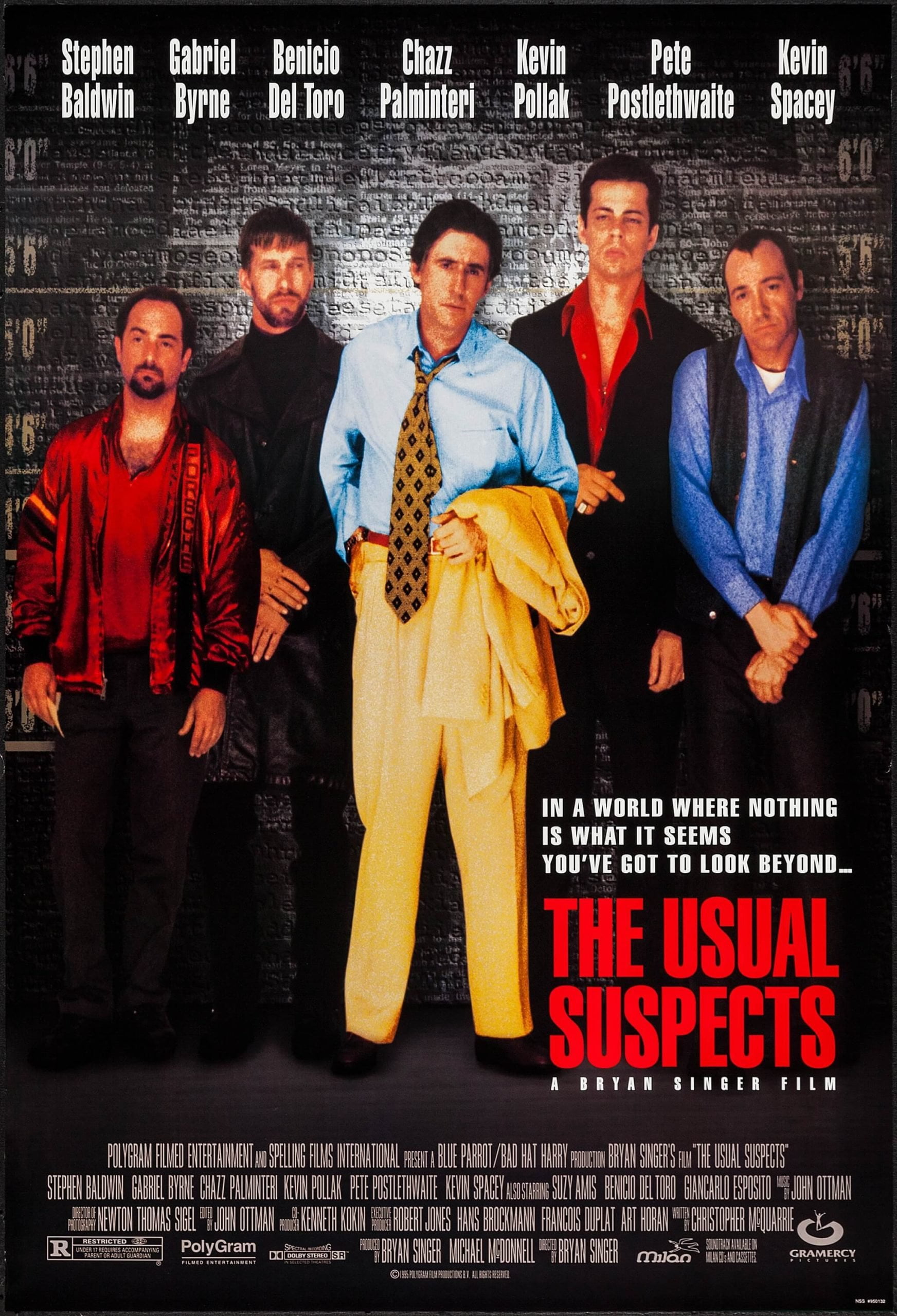
작품으로 돌아가기
유주얼 서스펙트
총 17편의 심화가 있습니다