악마가 벌인 최대의 속임수는, 바로 자신이 존재하지 않는다고 세상이 확신하게 한 겁니다.
로저 '버벌' 킨트가 남긴 이 명대사는 영화 전체를 관통하는 주제 의식 그 자체입니다. 이 문장은 단순한 범죄 스릴러의 결말을 넘어, 인간이 인식하는 '진실'이라는 개념 자체가 얼마나 취약하고 조작 가능한 허구인지에 대한 철학적 질문을 던집니다. 관객이 믿었던 모든 전개와 증언이 거대한 연극이었음을 선언하며, 영화의 장르적 경계를 확장시키는 핵심 장치입니다.
「악마가 벌인 최대의 속임수는, 바로 자신이 존재하지 않는다고 세상이 확신하게 한 겁니다.」
이 대사는 영화의 마지막 장면을 장식하며, 관객들에게 충격적인 반전과 함께 깊은 철학적 여운을 남긴 결정적인 문장입니다. 이 문장이 단순한 대사를 넘어선 '선언'인 이유는, 영화가 구축해 온 모든 서사적 장치와 인물들의 운명을 한 번에 무효화시키기 때문입니다.
1. 발화 맥락: 진실의 붕괴와 재구성
이 대사가 터져 나오기 직전, 영화는 가장 극적인 진실의 순간을 맞이합니다. 데이브 쿠얀 수사관은 버벌의 진술을 토대로 딘 키튼이 전설적인 범죄 조직의 두목 '카이저 소제'였다고 확신합니다. 모든 것이 명확하게 정리된 듯 보였고, 관객들 역시 이 결론에 동조하게 됩니다.
그러나 쿠얀이 사무실 게시판의 공고문, 컵 바닥의 제조사 상표 등 주변의 사물들을 재빨리 바라보며 버벌의 진술과 짜맞추는 순간, 모든 것이 무너집니다. 버벌이 이야기했던 모든 이름, 장소, 사건의 전개는 그가 주변 사물에서 정보를 끌어와 즉석에서 지어낸 거짓말이었음이 드러납니다.
이 혼란 속에서 버벌은 절름발이의 모습에서 벗어나, 마치 모든 것을 통제하는 마스터처럼 거닐기 시작합니다. 그리고 그가 재규어에 올라타 사라지는 순간, 이 대사를 내뱉습니다. 이 대사는 그가 지금까지 연기해 온 '멍청하고 절름발이한 증인'이라는 캐릭터를 완전히 벗어던지고, 자신이 이 모든 상황의 설계자였음을 선언하는 것입니다.
2. 작중 위치: 서사적 통제권의 역전
이 대사는 영화의 서사적 통제권이 '수사관'에서 '범죄자'에게 완전히 역전되었음을 상징합니다. 영화는 관객들에게 '진실을 파헤치는 과정'을 보여주지만, 이 대사는 그 과정 자체가 거대한 '속임수'였음을 폭로합니다. 마치 구로사와 아키라의 《라쇼몽》처럼, 누가 진실을 말하고 누가 거짓을 말하는지 알 수 없는 구조를 극대화합니다. 버벌은 자신이 존재하지 않는다고 세상이 믿게 만드는 것이야말로 가장 완벽한 속임수임을 깨닫고, 그 속임수를 완성합니다.
3. 시청자/팬덤 반응: '반전' 장르의 정의
이 대사는 영화가 가진 '반전'이라는 장르적 개념 자체를 재정의했습니다. 이전까지의 반전이 '누가 범인인가'라는 정답을 제시하는 것이었다면, 이 대사는 '진실이란 무엇인가'라는 질문을 던지며 관객의 지적 만족감을 넘어선 충격과 전율을 선사했습니다. 팬덤 사이에서는 이 대사가 단순히 결말을 장식하는 것을 넘어, 영화의 모든 장면과 인물들의 동기 부여를 관통하는 핵심 주제 의식으로 해석됩니다.
4. 후속 영향: 존재의 부재가 주는 힘
이 문장은 이후 수많은 스릴러 영화와 미스터리 작품에 막대한 영향을 미쳤습니다. '존재하지 않는다고 믿게 만드는 것'의 힘은, 물리적인 증거보다 더 강력한 심리적 압박으로 작용합니다. 이로 인해 영화는 단순한 범죄 스릴러를 넘어, 인간의 인식과 기억, 그리고 서사 구조 자체에 대한 메타픽션적 논평으로 자리매김하게 되었습니다.
왜 파고들었나
이 명대사는 유주얼 서스펙트의 정체성을 '범죄 스릴러'에서 '철학적 미스터리'로 격상시킵니다. 영화는 9,100만 달러의 마약과 27명의 시체라는 거대한 사건을 배경으로 하지만, 궁극적으로 다루는 것은 '진실의 상대성'입니다. 버벌의 이 대사는 관객들에게 '우리가 본 모든 것이 진짜였을까?'라는 근본적인 의문을 던지며, 영화가 단순한 추리극이 아니라, 인간의 인식 구조를 해체하는 지적인 경험임을 각인시킵니다. 이 문장 하나로 영화는 장르적 클리셰를 뛰어넘어, '반전'이라는 개념 자체를 하나의 예술적 기법으로 승화시켰습니다.
다른 대사 심화2
- arrow_outward
넌 멍청하니까, 버벌. 멍청하고 절름발이니까.
「넌 멍청하니까, 버벌. 멍청하고 절름발이니까.」는 단순한 모욕을 넘어, 영화 유주얼 서스펙트의 모든 진실을 무너뜨리는 심리적 무기입니다. 이 대사는 수사관 쿠얀이 버벌의 완벽하게 짜인 거짓 증언을 듣고, 그가 가장 취약하다고 여긴 '지적 능력'과 '신체적 결함'이라는 두 가지 약점을 동시에 건드리면서, 버벌의 가면을 벗겨내는 결정적인 순간을 상징합니다.
- arrow_outward
대사
「지금 보면 그렇겠지. 하지만 멀리 떨어져서 보라고.」는 영화의 모든 진실이 거짓말 위에 세워져 있음을 깨닫게 하는 결정적인 문장이다. 이 대사는 단순한 증언의 끝이 아니라, 관객이 믿어왔던 모든 서사적 구조 자체를 의심하게 만드는 메타적인 장치로 작용하며, 영화를 단순한 범죄 스릴러가 아닌 '진실의 재구성'에 대한 철학적 탐구로 격상시킨다.
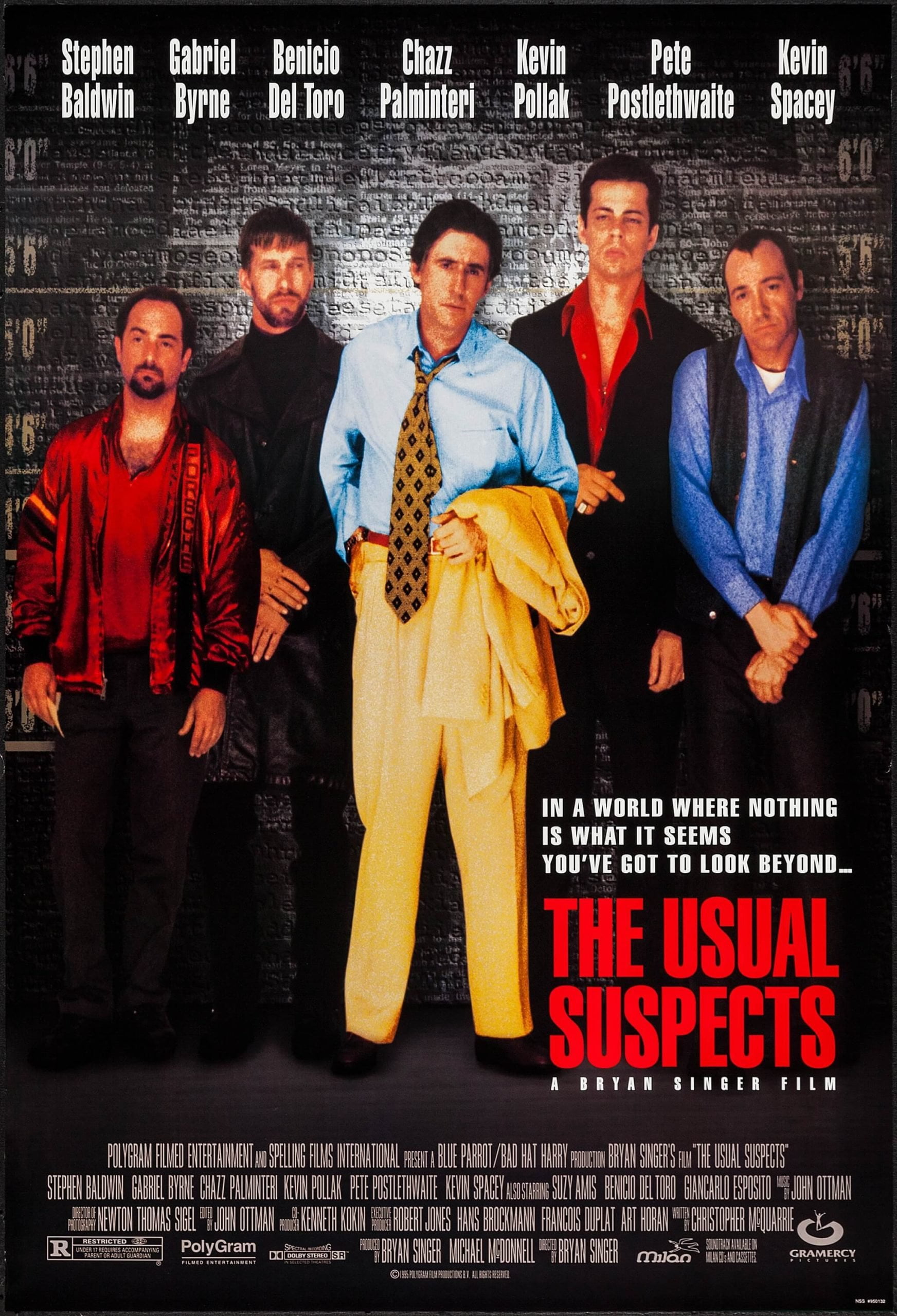
작품으로 돌아가기
유주얼 서스펙트
총 17편의 심화가 있습니다