영어에서 '잘했어'라는 말보다 해로운 말은 없어.
테런스 플레처의 「영어에서 '잘했어'라는 말보다 해로운 말은 없어.」라는 명대사는 이 영화의 핵심 철학을 관통하는 문장입니다. 플레처는 칭찬이 제자의 자만심을 키우고 안주하게 만들어, 예술가에게 필수적인 고통스러운 자기 파괴와 완벽주의를 방해한다고 주장합니다. 이 대사는 단순한 교육론을 넘어, 위대한 예술적 성취를 위해 인간성이 어느 정도까지 희생되어야 하는지에 대한 근원적인 질문을 던집니다.
발화 맥락: 칭찬이 독이 되는 이유
이 대사는 플레처가 자신의 가혹한 교육 방식의 근거를 설명하는, 영화의 가장 중요한 철학적 논쟁 장면에서 나옵니다. 플레처는 앤드류에게 단순히 드럼 연주 기술을 가르치는 것이 아니라, '예술가로서의 태도'를 주입시키려 합니다. 그가 칭찬을 해로운 독이라고 규정하는 것은, 칭찬이 일종의 '안전지대'를 제공하기 때문입니다.
- 자만심의 위험성: 플레처의 관점에서, 칭찬은 제자가 자신의 현재 위치에 만족하게 만듭니다. 즉, '이 정도면 충분하다'라는 안일한 자만심을 심어주어, 그가 스스로의 한계를 뛰어넘어 고통스러운 성장의 과정을 겪을 동기를 잃게 만든다는 것입니다.
- 완벽주의의 강요: 플레처가 추구하는 것은 '좋은 연주'가 아니라 '완벽한 연주'입니다. 이 완벽함은 결점과 실패를 통해만 도달할 수 있는 것이기에, 칭찬이라는 달콤한 보상은 그 과정 자체를 무의미하게 만듭니다.
작중 위치: '최고'라는 가치를 정의하다
이 대사는 앤드류가 플레처의 스튜디오 밴드에 발탁된 초중반부의 핵심적인 전환점입니다. 앤드류는 재능을 인정받고 싶어 하는 일반적인 신입생의 심리를 가지고 있습니다. 그에게는 '인정'과 '칭찬'이 가장 큰 보상일 것입니다. 하지만 플레처는 이 보상 자체를 부정함으로써, 앤드류의 모든 가치관을 뒤흔듭니다.
이 시점은 앤드류가 단순히 '좋은 드러머'가 되는 것을 넘어, '위대한 예술가'가 되기 위해 어떤 정신적 고통을 감수해야 하는지 깨닫게 되는 결정적인 순간입니다. 플레처는 앤드류의 재능을 인정하면서도, 그 재능이 '평범한 성공'이라는 함정에 빠지는 것을 막기 위해 의도적으로 폭력적인 교육 방식을 채택하는 정당성을 확보합니다.
시청자/팬덤 반응: 논란의 중심에 선 가르침
이 대사는 영화를 관람하는 내내 가장 뜨거운 논쟁거리가 됩니다. 관객들은 이 가르침을 두고 크게 두 가지 해석을 내놓습니다.
- 예술적 진실론 (옹호): 예술은 본질적으로 고통과 자기 파괴를 수반하며, 칭찬 같은 외부적 보상에 의존하는 순간 예술적 영혼은 죽는다는 해석입니다. 이 관점에서는 플레처가 비록 폭력적일지라도, 예술가로서의 냉혹한 진실을 전달하는 '필요악'으로 해석됩니다.
- 가학적 폭력론 (비판): 플레처의 교육 방식 자체가 예술적 가르침이 아니라, 자신의 우월한 지위와 통제욕을 충족시키기 위한 '정신적 학대'라는 비판입니다. 이 관점에서는 플레처의 가르침이 '완벽함'이라는 이름으로 포장된 극도의 자기애적 폭력으로 해석됩니다.
이러한 논쟁은 관객들로 하여금 '성공'과 '가치'에 대한 자신만의 정의를 내리도록 강요하며, 영화의 주제를 더욱 깊게 만듭니다.
후속 영향: 광기로의 동화와 초월
이 명대사는 앤드류의 이후 모든 행동의 동기 부여가 됩니다. 앤드류는 플레처의 가르침을 받아들이면서, 자신 역시 '평범한 성공'을 거부하고 '완벽한 예술'이라는 광기에 동화됩니다. 칭찬을 거부하는 스승의 가르침은, 앤드류가 스스로에게 가혹한 기준을 세우게 만들고, 결국 자신을 극한으로 몰아붙이는 원동력이 됩니다.
- 자기 통제 상실: 앤드류는 플레처의 방식에 동화되어, 여자친구와의 관계나 아버지의 기대 같은 '안정적인 삶'의 가치를 스스로 부정하기 시작합니다. 이는 플레처의 가르침을 내면화했기 때문입니다.
- 최종 연주: 마지막 카네기 홀에서의 연주는, 칭찬이나 인정에 기대지 않고 오직 '자신이 정의한 완벽'만을 추구하는 결과물입니다. 앤드류는 플레처의 방식마저도 초월하여, 자신만의 방식으로 '완벽'을 증명해냅니다. 이 과정은 플레처의 가르침이 앤드류에게 준 가장 큰 선물인 동시에, 가장 큰 상처이기도 합니다.
왜 파고들었나
이 명대사는 단순히 플레처의 교육 철학을 설명하는 것을 넘어, 작품 전체의 주제 의식인 '예술적 완벽함의 대가'를 정의하는 작품의 테제(Thesis)입니다. 영화는 칭찬이라는 가장 보편적이고 따뜻한 가치를 부정함으로써, 예술의 영역이 얼마나 냉혹하고 비인간적인 영역일 수 있는지를 극단적으로 보여줍니다. 이 문장 하나가 앤드류의 성장 곡선 전체를 지배하며, 관객들에게 '진정한 성공이란 무엇인가?'라는 질문을 던지는 강력한 장치로 기능합니다. 플레처의 가르침은 앤드류를 파괴하는 동시에, 그를 위대한 예술가로 '만들어내는' 양가적 힘을 지니고 있습니다.
다른 대사 심화1
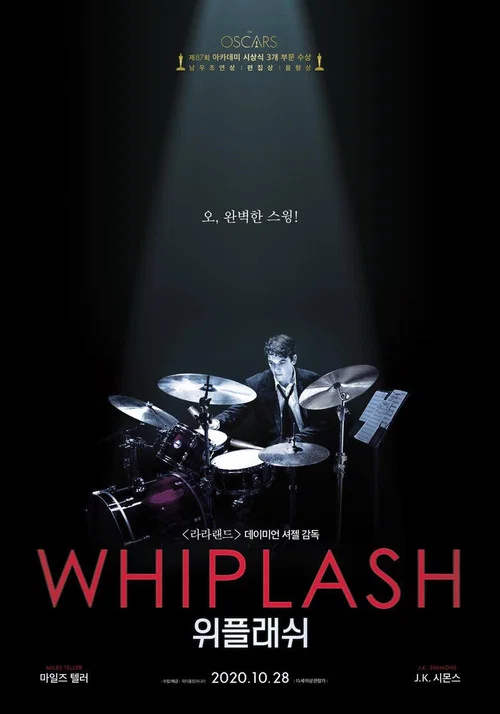
작품으로 돌아가기
위플래쉬
총 14편의 심화가 있습니다