Box Office Triumph and Artistic Recognition in Tandem
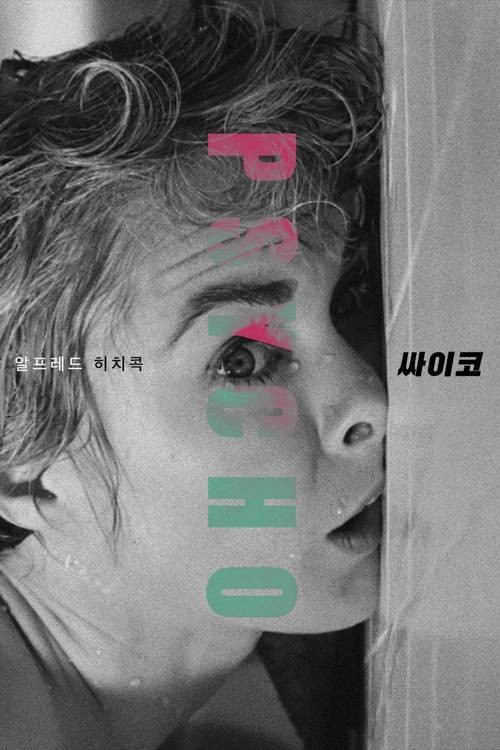
Psycho is a masterpiece that, despite being dismissed as a 'cheap exploitation horror film' on its release, has seen its technical craft and psychological depth reassessed with the passage of time. Going beyond simple horror, it has established itself — through camera technique and sound design alone, exploring the darkest recesses of the human psyche — as the defining textbook of the thriller genre.
The Paradox of Initial Criticism and Commercial Success
The most unique dimension of Psycho is the paradox of 'assessment.' On its release in 1960, the film received criticism for excessive use of horror genre clichés and was unable to escape dismissal as a 'cheap exploitation horror picture.' Yet contrary to that criticism, the film's U.S. box office gross is assessed in present monetary value at a smash hit of over $180 million.
The coexistence of early critical hostility, overwhelming commercial success, and artistic value recognized as time passes proves that Psycho is a monument that — going beyond the simple horror film — simultaneously possesses both popular appeal and artistic merit.
Technical Achievement: How Horror Is 'Directed'
The core reason Psycho has been celebrated as a masterpiece that transcends simple plot-driven horror is that director Alfred Hitchcock directed the horror not as an 'event' but as 'atmosphere' and 'technique.' This is the result of realizing through camera technique and sound design alone — without dialogue or explanation — the psychological states of characters that the source novel conveyed in prose.
1. Maximizing Horror in the Safest Space
The film's iconic shower murder scene is cited as the archetype of maximizing the principles of horror. Generally, being stabbed in a dark alley is a 'surprising event,' but being attacked without warning in the most private and safe space — a bright and peaceful bathroom — is experienced as 'extreme horror.' The direction that combines the safety of the space with the threat remains one of the most legendary set pieces in film history. The fact that the director shot the scene 77 times demonstrates his obsession with technical perfection.
2. The Perfect Harmony of Sound and Vision
The film's soundtrack, handled by Bernard Herrmann, played a decisive role in dramatically creating the film's atmosphere of dread. In particular, the ability to create an atmosphere of terror through music alone means that the film provided a three-dimensional experience encompassing not just visual horror but aural horror as well. This method in which sound and music lead the suspense has become a textbook example influencing countless thriller films thereafter.
The Influence That Remains as the Textbook of the Genre
Psycho went beyond simply succeeding at the box office to redefine the grammar of the thriller and horror film itself. Scenes such as the rain-swept road expressing Marion's psychology, or Arbogast's murder on the staircase, present the psychological instability of the character visually before the plot unfolds — placing the audience in a state of psychological tension before they are even following the events.
Thanks to this technical superiority, Psycho has come to be placed in Hitchcock's top seven with the passage of time, establishing itself as a work whose artistic achievement is recognized beyond the status of a simple commercial film.
Why It Matters
The coexistence of Psycho's box-office success and artistic recognition is the most important element defining this work's identity. The film dealt with the raw material of 'horror,' yet did not treat that horror as a mere sensational event. Instead, through the camera's angle, the tension of the soundtrack, and the sense of betrayal in the space that should feel safest (the bathroom), it addressed the elevated subject of 'psychological horror.' The charge of 'cheapness' leveled by early critics was in truth closer to a misreading born of Hitchcock's pursuit of technical perfection beyond genre convention. This paradoxical reception is the core evidence that Psycho is a masterpiece that, transcending eras, completed the 'grammar of the thriller.'
Other 비화 dives3
- arrow_outward
Psychological Instability, Camera Technique
The core reason Psycho has been celebrated as a masterpiece that transcends simple horror is that it succeeded in rendering the psychological instability of the source novel's characters not through words but through visual language and atmosphere. In particular, its direction maximizing the horror in the space that should feel safest remains a textbook example of the thriller genre — conveying not the shock of events but the pressure of psychological tension.
- arrow_outward
The Shower Murder Scene: Horror Maximized
Counted among the most legendary set pieces in film history, the shower murder scene is the directorial apex of transforming a bathroom — the most private and supposedly safe space — into a stage for horror. Going beyond a mere depiction of events, the scene is a technical achievement that shatters the audience's psychological safe zone and maximizes the emotion of horror itself.
- arrow_outward
Bernard Herrmann's Score: The Power of Soundtrack
Bernard Herrmann's score is the decisive element that elevates the horror in Psycho from mere visual shock to aural suspense. His sharp, dissonant music for strings alone maximizes the viewer's psychological anxiety, providing the artistic foundation that earned the film its reputation as the textbook of the horror genre.
Back to the title
Psycho
10 deep dives in total