Hard-Boiled Aesthetics and Gloomy Visuals
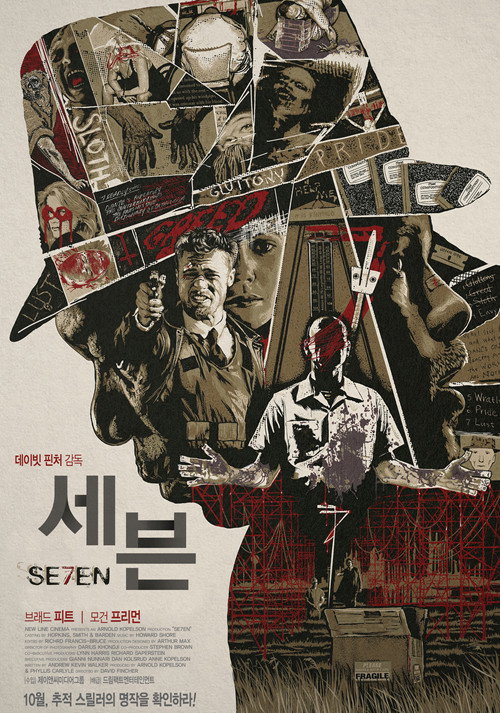
The core identity of Se7en is formed not merely by plot but by the overwhelming visuals of a drab gray cityscape in perpetual rain. This gloomy, oppressive color palette maximizes the hard-boiled crime thriller atmosphere and serves to visually project the moral decay and dark desires inherent in humanity that the characters face.
The Aesthetics of the Gray City: Se7en's Visuals and Psychological Pressure
Se7en goes beyond simply portraying a serial murder case to utilize the very space in which those events unfold as a vast character in its own right. What dominates the entire film is the dreary gray cityscape of perpetual rain. These visuals go beyond mere background to play a decisive role in creating the film's dark, heavy atmosphere, continuously conveying psychological pressure and anxiety to the audience.
1. The Combination of Monochromatic Palette and Hard-Boiled Genre
The color palette of Se7en is intentionally low-saturation and low-brightness — close to monochromatic. The endlessly falling rain and gloomy sky cast shadows over every object and character, maximizing the film's hard-boiled genre characteristics. The hard-boiled genre often has a morally gray area as its backdrop, and Se7en perfectly follows this genre's visual grammar. The light-deprived environment further highlights the characters' inner conflict and the brutality of crime, making audiences feel a suffocating oppressiveness as if breathing the damp, humid air of the city.
2. Obsessive Detail: Anxiety Realized Through Cinematography
This atmosphere was completed by director David Fincher's near-obsessive fixation. For example, the fact that reshoots were conducted because the feel of the city landscape reflected in the car windows appeared different between shots of Morgan Freeman's Somerset and Brad Pitt's Mills proves that the director was not merely shooting 'a rainy day,' but was fixated on capturing 'light and color reflecting a specific psychological state.'
This visual control maximizes the tension audiences feel during the process of tracking the case, giving the feeling of being in a vast labyrinth where everything is perfectly calculated.
3. The Functional Role of Visuals: Psychological Projection
In Se7en, rain and gray are not mere weather effects. They serve as mirrors reflecting the psychological states of the characters. The ethical confusion Somerset and Mills experience, the ambiguity regarding the boundaries of justice and law, and humanity's primal desires are never resolved brightly and clearly. This unresolved ambiguity is projected onto the endless fog and rain of the gray city. In other words, the city itself symbolizes 'the dark, corrupt abyss of humanity where justice is difficult to reach easily.'
Thanks to this visual direction, audiences feel not only the brutality of the crime, but also the fundamental absurdity of the society and humanity surrounding it. The film's bleak and shocking ending was possible precisely because this consistently maintained gloomy and oppressive visual aesthetic pushed the audience's emotional fatigue to its peak.
Why It Matters
Se7en's visuals are the core pillar supporting the philosophical depth of the work. If this film had been directed with bright, colorful cinematography, the weight and psychological pressure provided by the Seven Deadly Sins theme would have been significantly diminished. Director Fincher visually imprints through rain and grayness the message that 'the world is fundamentally dark, and justice is hard to see in the light.' This gray city is not a simple backdrop, but the very 'space of sin' where human moral decay and social indifference are intertwined and alive — the most important aesthetic element that completes the work's identity.
Other 기타 dives4
- arrow_outward
The Killer's Disguise: Fingerprints and Photographs
The fingerprints, photographs, and murder journals left by Se7en's killer are not mere traces of crime but a meticulously designed theatrical stage aimed at investigators. The killer uses victims' fingerprints to stage crime scenes and creates an 'orchestration' that subtly deceives the police. This process shows that the killer has an intelligent plan to go beyond mere killing to deliver a grand message about 'justice' and 'truth.'
- arrow_outward
Somerset's Cynicism and Mills's Passion
Somerset's cold principled approach and Mills's passionate intuitionism represent more than mere detective contrast — they pose the fundamental philosophical question of 'the method of realizing justice.' The collision of these two detectives dramatically illustrates the gap between rational justice operating within the bounds of law and instinctive justice that explodes through emotional rage, forming the core narrative axis of the film.
- arrow_outward
The Seven Deadly Sins Serial Murder Structure
The Seven Deadly Sins serial murder structure — the core structure of Se7en — is not merely a crime plot but like a vast 'sermon' symbolizing humanity's fundamental guilt and moral collapse. The way the killer commits murders themed around each sin structures humanity's dark desires and guilt that law and justice cannot capture, posing philosophical questions to the audience.
Back to the title
Se7en
13 deep dives in total