레싱 박사의 역할과 희생
레싱 박사는 영화 속에서 '도움이 될 수 없는 도움'을 상징하는 인물로, 귀도에게 지적 친밀감과 일시적인 희망을 제공하지만, 결국 생존의 현실적인 벽 앞에서 무력함을 드러낸다. 그의 존재는 인간의 지식과 선의가 거대한 비극적 시스템 앞에서 얼마나 취약한지를 보여주며, 주인공이 스스로의 힘으로 가족을 지켜내야 한다는 메시지를 강화하는 장치이다.
지식과 죄책감 사이의 방황: 레싱 박사의 역할
레싱은 단순한 조연을 넘어, 영화가 다루는 비극적 상황 속에서 인간의 도덕적 딜레마를 상징하는 복합적인 인물이다. 그는 귀도에게 지적 교류와 친밀감을 제공하며 일시적인 안도감을 주지만, 그 도움은 언제나 현실의 거대한 벽에 부딪혀 무력화된다. 그의 서사는 관객에게 '진정한 도움'이란 무엇인지, 그리고 희망은 어디에서 찾아야 하는지에 대한 질문을 던진다.
1. 심은 시점: 호텔 웨이터 시절의 친밀감
레싱은 귀도가 호텔 웨이터로 일하던 시기에 등장한다. 이 시점의 레싱은 독일 의사 출신으로, 귀도와는 호텔이라는 사적인 공간에서 만난다. 이들의 관계는 주로 '수수께끼 교환'이라는 지적인 놀이를 통해 형성된다. 이 과정에서 레싱은 귀도에게 지식인으로서의 매력을 느끼게 하고, 귀도 역시 레싱에게서 일상적인 삶의 활력을 얻는다.
이 단계에서 레싱은 아직 '장교'라는 권력의 무게를 지니지 않은, 비교적 사적인 인물이다. 그가 제공하는 것은 생존에 필요한 물적 자원이나 직접적인 탈출 계획이 아닌, 오직 '지적 교감'과 '친밀감'이다. 이는 관객에게 가장 순수하고 인간적인 형태의 연결고리로 인식된다.
2. 회수 시점: 수용소 장교로서의 재회와 무력함
시간이 흘러 배경이 수용소로 옮겨지면서, 레싱은 '친위대 군의관 장교(대위)'라는 권력적인 위치에 놓인 인물로 재회한다. 이 재회는 극적인 아이러니를 형성한다. 과거의 친밀했던 지식인 친구가, 이제는 생존자들에게 가장 위협적인 권력의 상징이 된 것이다.
귀도가 도움을 간절히 바라는 상황에서, 레싱은 수수께끼를 통해 자신의 죄책감을 토로한다. 이 과정은 레싱이 가진 지식과 도덕적 고뇌가 충돌하는 지점이다. 그는 도움을 주고 싶지만, 자신의 위치와 시대적 상황 때문에 실질적인 도움을 줄 수 없는 '도움이 될 수 없는 도움'의 전형을 보여준다.
3. 레싱의 상징적 의미: 지식의 한계
레싱의 캐릭터는 영화의 핵심 주제 중 하나인 '인간 정신의 생존 방식'을 강화하는 장치이다. 그의 무력함은 다음과 같은 메시지를 전달한다:
- 지식의 한계: 레싱이 가진 지식과 교양은 수용소라는 원초적이고 폭력적인 생존의 현실 앞에서는 아무런 힘을 발휘할 수 없다. 아무리 고상한 지성이라도 생존의 벽 앞에서는 무력하다는 냉혹한 진실을 보여준다.
- 죄책감의 무게: 그는 자신의 죄책감을 수수께끼라는 '언어적 장치'를 통해 표출한다. 이는 그가 시스템의 일부가 되었음에도 불구하고, 인간으로서의 양심을 완전히 포기하지 못했음을 보여주는 증거이다. 이 죄책감이야말로 그가 귀도에게 줄 수 있는 유일한 '도덕적 도움'이다.
결국, 레싱의 존재는 귀도에게 '외부의 도움'에 의존하는 것이 아니라, 아들 조슈아를 지키기 위해 '스스로의 낙천주의와 거짓말'이라는 가장 인간적인 무기를 사용해야 한다는 결론을 강요한다. 그의 희생은 귀도가 스스로의 힘으로 가족을 지켜내야 한다는 메시지를 더욱 강력하게 각인시키는 역할을 한다.
왜 파고들었나
레싱 박사는 영화의 비극적 배경 속에서 '도덕적 딜레마'를 시각화한 캐릭터입니다. 그는 지식과 친밀감이라는 가장 인간적인 매개체를 통해 귀도에게 위안을 주지만, 그 위안은 결국 시스템의 폭력성 앞에서 무너집니다. 이 캐릭터는 관객들에게 '희망'이란 외부에서 주어지는 것이 아니라, 절망적인 상황 속에서 스스로 만들어내야 하는 '정신적 연극'임을 깨닫게 합니다. 레싱의 무력함은 영화가 궁극적으로 강조하는 메시지, 즉 '인간의 정신적 생존력'의 중요성을 극대화하는 핵심적인 장치입니다.
다른 떡밥 심화3
- arrow_outward
재치와 유머로 쌓아 올린 사랑
영화 인생은 아름다워에서 귀도의 유머는 단순한 코미디적 장치를 넘어, 인간 정신의 가장 강력한 생존 무기입니다. 그는 로맨스에서 재치로 사랑을 쟁취하고, 수용소라는 극한의 비극 속에서는 아들의 동심을 지키기 위한 '거대한 거짓말'이라는 연극으로 유머를 승화시킵니다. 이 유머는 절망적인 현실에 맞서는 아버지의 숭고한 사랑이자, 인간 본연의 낙천주의를 상징합니다.
- arrow_outward
유대인 차별과 수용소행
영화 인생은 아름다워의 핵심 배경인 유대인 차별과 수용소 생활은 단순한 비극적 역사를 넘어, 인간 정신의 가장 숭고한 생존 방식을 탐구하는 무대입니다. 특히 순혈 이탈리아인인 도라가 가족과 함께 수용소행을 자청한 행위는, 억압적인 시스템에 맞서 '가족의 유대'라는 윤리적 가치를 최우선으로 두겠다는 의지의 표현으로 해석됩니다.
- arrow_outward
수용소의 '게임' 규칙
영화 인생은 아름다워를 관통하는 핵심 은유인 수용소의 '게임' 규칙은, 극한의 비극 속에서 아들의 동심과 인간성을 지키기 위한 아버지 귀도의 위대한 거짓말입니다. 이 '게임'은 단순한 놀이가 아니라, 절망적인 현실을 '점수'라는 목표로 치환하여 생존을 위한 심리적 안전지대를 구축하는 아버지의 가장 숭고하고도 유쾌한 생존 전략입니다.
작품으로 돌아가기
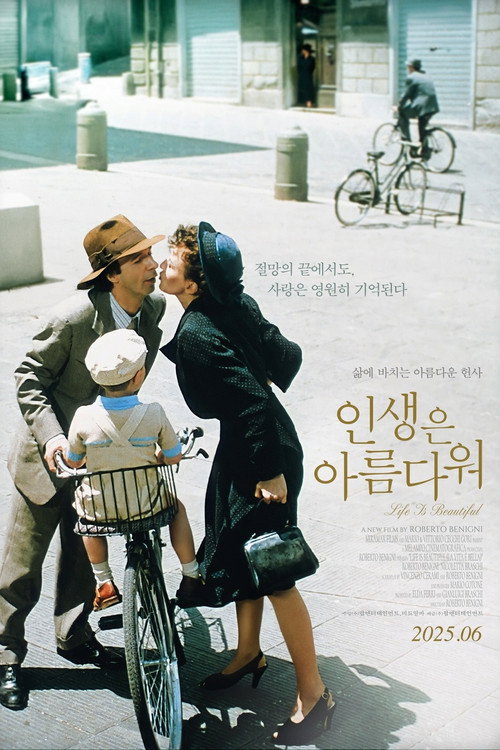
인생은 아름다워
총 12편의 심화가 있습니다