Sebastian's Jazz Philosophy
The jazz philosophy Sebastian Wilder embodies defines jazz not as simple background music but as a process of 'fierce combat' and 'intense communication' between musicians. This philosophy is directly linked to a sense of crisis that jazz is 'dying,' and it collides head-on with Mia's practical goal of 'commercial success,' driving the film's core conflict.
Jazz: Art as 'Fierce Combat,' Not Comfort
The jazz Sebastian Wilder pursues is not a genre to be consumed by audiences as 'comfortable background music.' To him, jazz is like a living organism. The value lies in the process itself — each night's performance is made new through the unpredictable collision between musicians and the improvised compromises born from within it. This conviction is the most powerful artistic measure running through the entire film.
🎷 The Sense of Crisis: 'Withering on the Vine'
At the philosophical base of Sebastian's convictions lies a deep sense of crisis: jazz is in decline. He feels that jazz is losing its authenticity as it is swept along by commercial currents, and reviving it becomes his life's purpose. This conviction becomes the central argument he makes to Mia about the meaning of 'true art' — inevitably colliding with Mia's practical goal of 'commercial success.'
Concrete manifestations of jazz philosophy:
- Insisting on purity: Sebastian has extreme wariness toward fusion jazz or jazz-pop blended with pop or electronica. He pursues only pure old-school jazz, driving him toward the goal of opening a jazz bar to keep the art of jazz performance alive.
- The 'Jingle Bells' confrontation: The scene where restaurant owner Bill (J.K. Simmons) demands that Sebastian play carols like 'Jingle Bells' — without understanding the essence of jazz — is a symbolic moment showing the crisis jazz faces. Sebastian becomes so absorbed in his playing that he is ultimately fired, experiencing firsthand the trampling of artistic purity by commercial demands.
🎙️ Defining 'Conversation' for Mia
The moment Sebastian most clearly articulates his philosophy comes at the scene where Mia is sitting at the bar of the Lighthouse Café, listening to a performance. Mia dismisses jazz as "comfortable background music — like Kenny G in an elevator, the kind that gets in the way of conversation." To this, Sebastian reacts fiercely:
"Jazz isn't easy listening. I know, that's probably the problem. Jazz isn't something you just sit back and hear. You have to see how fierce the battle is. Look at those guys. That saxophone player. He just stole the melody and ran wild with it. They're all composing, arranging, playing new lines at the same time. Now the trumpet's got something to say. They clash and then compromise, and just... it's new every time. Every night is a premiere. It's incredible."
To Sebastian, jazz is not simply something listened to with the ears but 'fierce communication' — art that carries the purpose of 'conversation' between musicians. This conversation is not perfect harmony; it is life itself born through the process of collision and compromise.
🌟 Recovery in the Epilogue: The Fulfillment and Divergence of a Dream
The film's final epilogue is the point where Sebastian's philosophy is 'recovered' as a kind of success. Years later, Sebastian opens his own jazz club and lives out his dream. This club symbolizes the 'tradition of pure jazz' he fought to keep alive. The scene where Mia stumbles upon this club shows that he has seen his conviction through — but it also confirms that he and Mia are each walking their own separate paths, leaving a deep emotional resonance.
Why It Matters
Sebastian's jazz philosophy is the core device that elevates La La Land from a simple romance into the realm of 'the philosophical opposition of art and life.' Had Sebastian merely been described as someone who 'liked' jazz, the collision with Mia's commercial ambitions would have been nothing more than an occupational conflict. But by defining jazz as a 'battle for survival,' Sebastian transforms Mia's success from a simple career advancement into something like a betrayal of the 'artistic values' he fights to protect. This philosophical weight is precisely what moves audiences to ask 'the most beautiful yet most heartbreaking question': 'What is the price of chasing a dream?'
Other 떡밥 dives4
- arrow_outward
The Meaning and Setting of La La Land
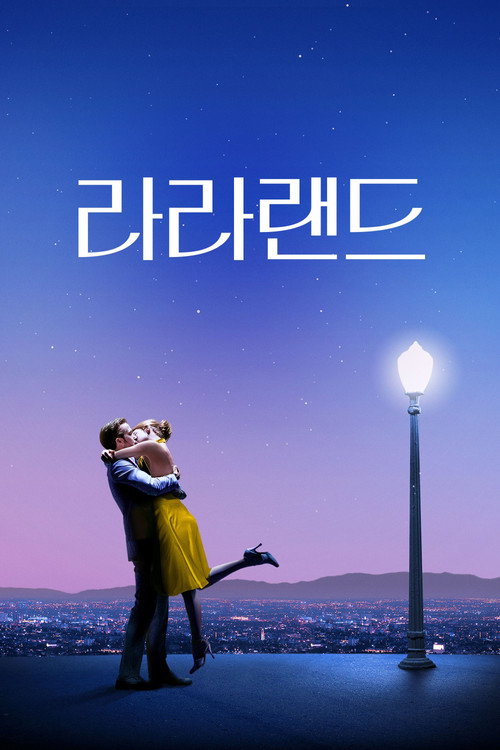
The name 'La La Land' — both the film's title and its setting — holds a double meaning: it is Los Angeles's nickname and an expression meaning 'a state of being disconnected from reality.' This duality is the core theme running through the entire work, implying that the space of LA, full of dreams and fantasy, is simultaneously a stage of cold reality. The film poses a deep question about the passion and frustration artists experience as they chase their dreams, and about the price those dreams demand.
- arrow_outward
The Conflict Between Keith and Sebastian
The conflict between Sebastian and Keith symbolizes, beyond a simple musical disagreement, the fundamental artistic tension between 'preservation' and 'evolution' that the genre of jazz itself must navigate. Sebastian's insistence on the purity of traditional jazz and Keith's attempt to adapt to popular currents demonstrate the eternal dilemma between commercialism and artistic integrity that every art form faces, adding depth to the film's thematic weight.
- arrow_outward
The Rialto Theater Reunion
The reunion at the Rialto Theater is the defining scene that burns into the audience's memory that Mia and Sebastian's connection is not mere coincidence but destiny. When Mia — exhausted by auditions — arrives at the agreed-upon theater and Sebastian finds her in the middle of a screening, it is the emotional flashpoint in which both realize they are 'essential to each other.' The scene symbolizes the destined pull of encountering kindred spirits while chasing dreams, and the wistful resonance created by the intrusion of reality.
Back to the title
La La Land
14 deep dives in total